 Beauty Guides
 Wishlist
What actually matters — and what you can ignore
If your goal is a foundation that looks natural and lasts, focus on three things: whether your skin is oily, dry or combination; your skin tone and undertone; and the finish and coverage you want. Ignore marketing buzzwords like “flawless 24-hour” or celebrity endorsements—their claims don’t replace matching texture and shade. Also don’t over-prioritize brand names: many drugstore and department-store formulas can work equally well if they match your skin’s needs.
Start by identifying your skin type and primary need
Foundation performance depends most on skin behavior. Ask: does my skin feel oily midday, flaky, or oily in the T‑zone and dry at the cheeks? Those answers determine formula families.
- Oily or acne-prone: Look for oil-free, water-based or gel formulas labeled non-comedogenic, often with a matte or natural-matte finish and lightweight medium coverage.
- Dry or dehydrated: Choose hydrating or cream foundations with a dewy or satin finish. Ingredients like glycerin, squalane or hyaluronic acid help skin look plump.
- Combination: Hybrid formulas or layering strategies work best—mattifying primers in the T-zone and hydrating drops or cream in drier areas.
- Sensitive or reactive: Pick foundations with minimal fragrance and simpler ingredient lists; dermatologist-tested or labeled for sensitive skin can reduce irritation.
Know your coverage and finish goals before picking a shade
Decide how much you want to conceal. Coverage ranges from sheer (evens skin but shows natural texture), medium (covers mild redness and unevenness), to full (camouflages discoloration). Finish options—matte, natural/skin-like, satin, or dewy—affect how light reflects off your face and therefore how your shade appears in photos and daylight. For example, full coverage matte can look flatter on dry skin, while dewy full coverage may emphasize texture.
Find your undertone and choose the right shade family
Undertone is more important than the surface shade for a natural match. Use simple tests:

- Look at veins on the inside of your wrist: blue/purple suggests cool undertones; green suggests warm; a mix or hard to tell suggests neutral.
- Consider jewelry: silver usually suits cool undertones, gold suits warm.
- How your skin reacts to sun: burns easily = cool; tans easily = warm (not foolproof but a clue).
Once you know undertone, pick a shade family (cool, warm, neutral) and then match the surface depth (fair, light, medium, tan, deep). Neutral undertones can often wear either warm or cool shades; neutralized formulas are increasingly common for this group.
How to test shades properly in the store or at home
Shade-matching tricks that work:
- Test on the jawline, not the back of the hand. The jawline shows how foundation blends with both face and neck.
- Apply two adjacent shades in natural light and wear each for 10–15 minutes—oxidation can darken some formulas.
- Bring a photo or wear the same clothing color when testing; matching to your neck and chest avoids a “mask” effect.
Avoid relying on testers under fluorescent store lights. If you order online, pick brands with generous shade ranges and virtual try-ons, then plan to return anything that looks off.

Match texture and formula to specific use cases
Think about when and how you’ll use the foundation:
- Everyday 8–10 hour wear: Lightweight liquid or tinted moisturizers with SPF (if you’ll be outdoors) give breathable coverage. For oily skin, choose oil-control or long-wear labeled formulas.
- Photos or events: A slightly fuller coverage that matches your undertone and is blended into neck/chest reduces flashback. Avoid SPF-heavy formulas for flash-sensitive cameras.
- Hot, humid climates: Powder or long-wear matte liquids set with translucent powder help control shine; primers with blurring effect reduce transfer.
- Dry winter conditions: Cream-to-powder or hydrating stick foundations layered over a richer moisturizer prevent patchiness.
Apply and adjust: how tools and layering change the result
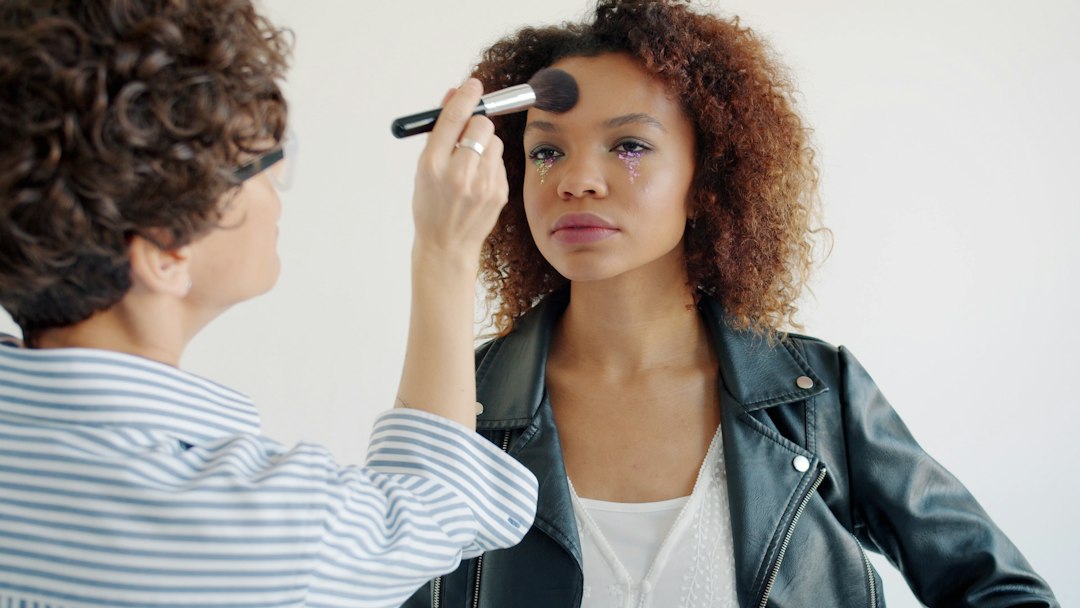
Application method influences coverage and finish. Use a damp sponge for sheer, airbrushed coverage; a dense brush for medium-to-full coverage; fingers can warm formula for a natural finish. For combination skin, apply thin layers and build only where needed. Setting powders or sprays should be tailored: light dusting in the T-zone for oil control, hydrating mist for dewy skin.
When to choose a specific product (recommended picks)
After you’ve identified skin type, undertone, and finish, select a product that fits. A well-formulated general option is often best for most readers.
Why this recommendation: a dermatologist-developed liquid foundation with moderate coverage and a natural matte finish suits many skin types and includes brightening actives—good if you want everyday concealment without heavy texture. Pair it with a mattifying primer for oily skin or a hydrating base for dry skin.
Troubleshooting common mismatches
- Foundation looks too yellow or pink: You likely picked the wrong undertone—swap to the opposite family or a neutral shade.
- Oxidation (turns orange/darker): Try one shade lighter or a different formula—oxidation varies by ingredients.
- Emphasizes texture or flakes: Exfoliate gently and boost hydration under the foundation; choose a hydrating finish.
- Melts off midday: Use an oil-control primer, set with powder, or choose a long-wear oil-free formula.
Before you buy: quick checklist and next steps
Follow these checks to avoid returns and mismatches.
- Confirm skin type (oily, dry, combination) and pick formula family accordingly.
- Determine undertone using the vein or jewelry test before choosing shade family.
- Test 2 shades on the jawline in natural light and wear for 10–15 minutes.
- Decide finish (matte vs dewy) based on skin texture and how long you need wear.
- Choose application tool and primer that support your desired finish.
- Keep return window and sample policies in mind for online orders.
Match foundation to how your skin behaves and to your undertone before considering brand or price. Test on the jawline in natural light, choose finish and coverage for the occasion, and use appropriate tools and primers to make the formula perform.
How can I tell if a foundation is oxidizing?
If the shade darkens or turns warmer within 10–15 minutes after application, it’s oxidizing; test nearby shades or a different formula to compensate.
Can oily skin wear dewy foundation?
Yes—use a mattifying primer on the T-zone and a lightweight dewy formula applied sparingly where you want glow, then set selectively with powder.
Should I match foundation to my neck or face?
Match to the jawline so the foundation blends seamlessly into the neck and chest; matching to the face alone can create a mask effect.
Is SPF in foundation enough for sun protection?
No—foundation SPF is often low and applied unevenly. Use a separate broad-spectrum sunscreen under makeup for reliable protection.
How many foundation shades should I keep seasonally?
Two shades are practical for most people: one that matches your base skin tone and a slightly deeper shade if you tan in summer; blending them is easy and prevents a mismatch.