 Beauty Guides
 Wishlist

Quick practical test: Which beauty tools actually help?
Most people start collecting gadgets because a single device promised faster results. The distinction that matters is simple: does the tool save time, improve an outcome you care about, or replace an expensive service? If it does one of those well, it earns shelf space. If it’s mostly novelty, skip it and invest in a basic version of something that works.
Tools that reliably earn a place in a routine
Below are the categories of tools that consistently move the needle for everyday beauty, with why each one’s worth buying and how to simplify without losing benefit.
1. A sensible organizer — keeps everything usable
Why it matters: cluttered counters mean less use and more expired products. An organizer increases visibility and reduces time wasted searching or double-buying.
Where to simplify: you don’t need a giant system. A compact drawer organizer or clear acrylic tray that fits your most-used items is enough.
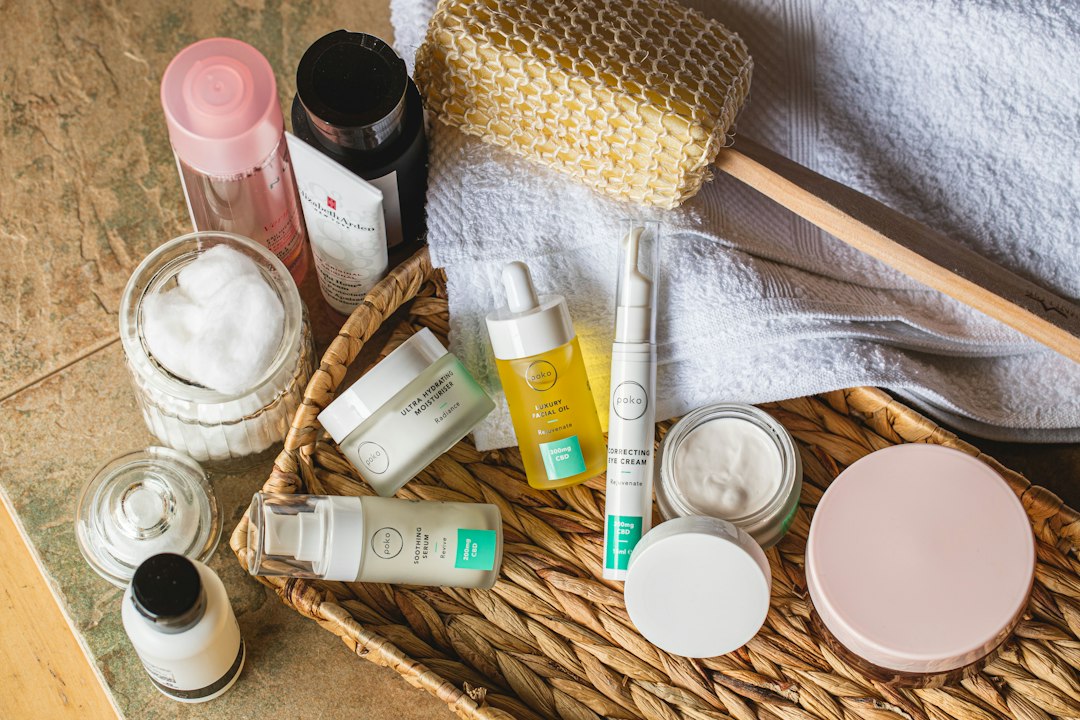
2. Gentle exfoliation tools (washable cloths, konjac sponge)
Why it matters: regular mild exfoliation improves texture and product absorption without the risks of DIY blades or aggressive devices. A konjac sponge or soft microfiber cloth is inexpensive and lasts weeks with proper care.
When to skip: if you already use a reliable chemical exfoliant (AHA/BHA) and tolerate it well, you may not need mechanical tools more than once or twice weekly.
3. Facial massage tools (roller or gua sha) — small gains, big ritual value
Why it matters: jade rollers and gua sha help lymphatic drainage, temporarily reduce puffiness, and improve product spread. They’re also low-risk and quick to use, so you’ll actually keep up the habit.
How to choose: prefer smooth edges for gua sha and a solid, not rattly roller. Clean after every few uses to avoid transferring oils.
4. A multifunctional electrical device (if you’ll use it weekly)
Why it matters: microcurrent devices, LED masks, or sonic cleansing brushes can replicate salon effects at home, but only when used properly and regularly. These tools are worthwhile for someone who will commit to weekly sessions.
When to borrow instead: if you expect sporadic use, a few professional treatments may be cheaper and more effective than an expensive gadget you rarely touch.
Tools you can usually skip or downgrade
Some tools promise much and deliver little for most people. Recognize when a premium purchase is more about marketing than measurable benefit.
- Complex multi-step devices with unclear science — choose simpler validated options instead.
- Expensive single-use tools (e.g., disposable roller heads or one-off masks) — opt for reusable versions or regular salon services.
- High-end at-home needles or blades without proper training — these carry real risk; leave microneedling and dermaplaning to pros unless trained.
How to decide before you buy: three quick questions
- Will I use it at least once a week? If no, don’t buy.
- Does it replace a service I already pay for? If yes, calculate break-even cost and maintenance.
- Is it low-risk with clear cleaning instructions? High-risk tools need training or a professional.
Answering these will cut impulse buys and keep your bathroom lean and practical.
Care and maintenance matter as much as the tool
A cheap tool that’s kept clean and stored properly beats an expensive gadget that’s sticky, dirty, or broken. Simple maintenance rules:
- Wipe down rollers, gua sha, and brushes after use with gentle soap or alcohol where appropriate.
- Store devices in a dry place and follow manufacturer recharge and battery care tips.
- Replace brush heads, sponges, and disposables on the schedule recommended to avoid irritation or infection.
When a tool turns into a skincare shortcut
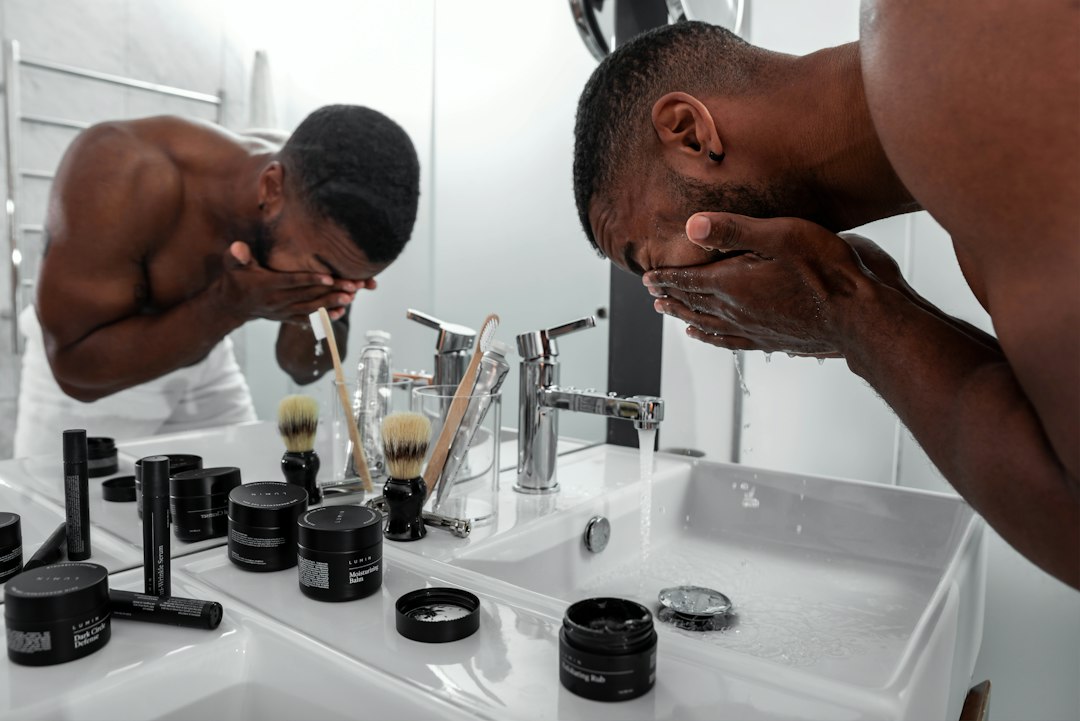
Don’t let tools substitute for fundamentals. Cleanser, sunscreen, and a suitable moisturizer are still the core. Use tools to enhance those steps — for example, a konjac sponge for gentle cleansing or a gua sha to help serums penetrate — not to replace them.
One product pick and how to use it
For most people building a streamlined routine, a compact makeup organizer solves multiple problems: it preserves tool condition, speeds morning prep, and reduces overbuying. The Makeup Organizer with Drawers (ID 1905) is a practical match for countertop use and small spaces. Use it to group daily skincare, the single device you use weekly, and a small kit of tools you rotate.
Small routine templates depending on your goal
Keep routines short and goal-focused. Examples:
- Daily minimalist (time-focused): cleanser, sunscreen/moisturizer, one multitasking tool like a jade roller for puffiness.
- Skin improvement (consistency-focused): cleanser, targeted exfoliation 1–3× weekly, serum, LED or microcurrent device once weekly.
- Occasion prep (event-focused): usual routine plus a deeper mask, facial massage, and organized makeup station for faster application.
- Decide if it replaces a paid service or saves weekly time.
- Check cleaning and storage needs before purchase.
- Confirm realistic frequency of use (aim for weekly minimum).
- Choose multifunctional or compact organizers to prevent clutter.
- Avoid devices with unclear safety or training requirements.
Buy fewer, better-maintained tools that you’ll use regularly. Prioritize organization, low-risk massage/exfoliation tools, and a single electrical device only if you’ll commit to weekly use.
Is a jade roller actually worth it?
Yes for temporary de-puffing and product distribution; it’s low cost and low risk, so it’s worth it if you’ll use it regularly.
How often should I clean beauty tools?
Wipe rollers and gua sha after every few uses; wash sponges and brush heads weekly; replace disposable parts per manufacturer guidance.
Should I buy a microcurrent or LED device?
Only if you’ll use it weekly and follow instructions; otherwise occasional professional treatments are a better investment.
Can a good organizer improve skin results?
Indirectly—better organization increases consistent use and prevents product waste, which improves routine effectiveness.
Which tools should be left to professionals?
Advanced microneedling, chemical peels, and dermaplaning are best left to trained providers to avoid complications.