 Beauty Guides
 Wishlist

That 7-minute morning when you’re already late — and what you can actually do instead
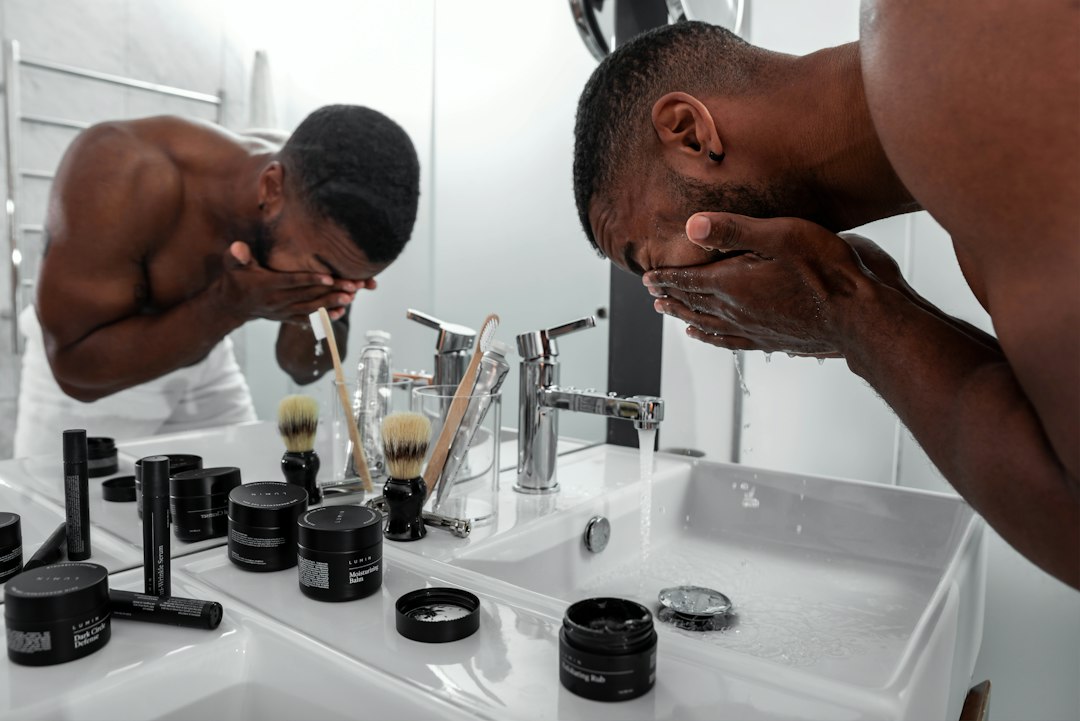
You wake up, splash water on your face, shave, and grab whatever moisturizer’s on the shelf. That hurried routine is common, but inconsistent steps and mismatched products cause irritation, clogged pores, or dryness. A men's skincare routine should be short, consistent and based on the skin you have, not on every trending product.
Core sequence: a simple, repeatable routine for morning and night
Follow this flow every day. Each habit earns its place because it solves a specific problem: remove dirt, treat concerns, restore moisture, and protect. You can simplify by skipping nonessential options rather than adding more.
- Cleanse (morning & night) — Use a gentle face cleanser to remove oil, sweat and product residue. If you have oily or acne-prone skin, choose a foaming or salicylic acid cleanser; for dry skin, use a cream or hydrating cleanser. Cleansing prepares skin for actives and avoids overstripping: think 30–60 seconds, lukewarm water.
- Treat targeted concerns (morning or night depending on the product) — This is where serums or spot treatments go. Vitamin C or antioxidant serums are best in the morning to fight pollution and brighten. Retinol or stronger exfoliating acids belong at night because they increase sun sensitivity. Use sparingly at first to build tolerance.
- Moisturize — Lock in hydration. Lightweight lotions work well for oily or combination types; richer creams help dry skin or night repair. If a product claims to be an all-in-one (anti-aging + moisturizer + aftershave) and fits your skin, it’s an effective simplification.
- Protect (morning only) — Sunscreen is non-negotiable. Use broad-spectrum SPF 30+ every morning, even on cloudy days. It prevents premature aging and counters many active ingredients’ side effects.
Where shaving fits without wrecking progress
Shaving irritates. Do it after cleansing to soften hairs and reduce tugging. If you use an alcohol-based aftershave, follow with moisturizer to restore barrier function. On nights you use a retinoid, avoid heavy exfoliation near fresh razor nicks and skip retinol the night of aggressive shaving to let skin calm.

How to pick the one or two products that actually move the needle
Rather than buying a cabinet-full, choose products that address your primary needs. For most men that’s hydration and sun protection; for others it’s acne control or anti-aging. One strong multipurpose serum can replace several creams while simplifying the routine.
When you need a starter product, consider a well-reviewed men’s face serum that combines hydration and anti-aging benefits — it can replace moisturizer and an aftershave step for many users. For a focused acne plan, choose a simple three-product system designed for men’s skin type rather than assembling dozens of actives.
The recommended product above is useful if you want to minimize steps: it serves as a moisturizer and anti-aging treatment in one. Use it after cleansing and targeted serums, and before sunscreen in the morning.
Night routine adjustments: repair and recovery
At night, swap daytime antioxidant serums for repair-focused actives: retinol, peptides, or richer hydrating creams. These support collagen and cell turnover while you sleep. Start retinol slowly (once or twice a week), increase as tolerated, and pair with a moisturizer to reduce dryness.
When to layer and when to stop
- If you’re using an acidic exfoliant (AHA/BHA), don’t layer strong retinol the same night until you know how your skin reacts.
- If irritation occurs (redness, stinging, flaky patches), reduce frequency rather than buying multiple soothing products; recovery usually happens within days once the active is paused.
Quick troubleshooting: match common problems to a minimal fix

- Dryness after shaving — switch to a hydrating cleanser, skip alcohol aftershaves, use a richer moisturizer at night.
- Persistent oiliness and breakouts — use a salicylic acid cleanser, a lightweight oil-free moisturizer, and a targeted acne system if needed.
- Dullness and uneven tone — add a morning vitamin C serum and use sunscreen daily to prevent further damage.
- Fine lines — start a retinol at low frequency and pair with a moisturizing formula to maintain comfort.
Practical routine examples you can copy
Two realistic plans depending on how much time you want to spend.
Under-5-minute morning (minimal)
- Cleanse quickly with your chosen face cleanser.
- Apply multipurpose serum/moisturizer.
- Apply SPF 30+.
10-minute morning (more targeted)
- Cleanse.
- Apply vitamin C serum and let absorb 30–60 seconds.
- Follow with moisturizer (or multi-use serum) then sunscreen.
Small shopping checklist before you buy products
Look for scent-free or lightly scented formulas if you have sensitive skin, confirm “broad-spectrum SPF” on sun products, and prefer “non-comedogenic” when you’re acne-prone.
- Identify your main skin type and concern (dry, oily, acne, aging).
- Check product labels: non-comedogenic, SPF level, active ingredients and concentrations.
- Start one active at a time to judge response.
- Prefer multifunctional products to keep the routine short.
Adopt a short, consistent routine you can stick to: cleanse, treat, moisturize, protect. Pick one multipurpose product if you want to simplify and introduce stronger actives slowly to avoid irritation.
How often should men moisturize?
Moisturize twice daily—after cleansing in the morning and again at night. If your skin is very oily, a lightweight daytime lotion is sufficient and a richer cream can be used at night.
Can I skip sunscreen if my moisturizer has SPF?
Only if the moisturizer provides broad-spectrum protection at SPF 30+ and you apply enough. Most people underapply, so using a dedicated sunscreen often ensures adequate protection.
When should I add retinol?
Add retinol at night after you’ve built a basic routine and your skin isn’t flaring from other strong products; start twice a week and increase slowly.
Is beard hair a barrier to skincare?
Beard hair doesn’t stop products from working. Use a gentle cleanser and massage products into the skin beneath the beard; lighter serums penetrate better than heavy balms if you have dense facial hair.