 Beauty Guides
 Wishlist
Start here: the simple answer a beginner actually needs
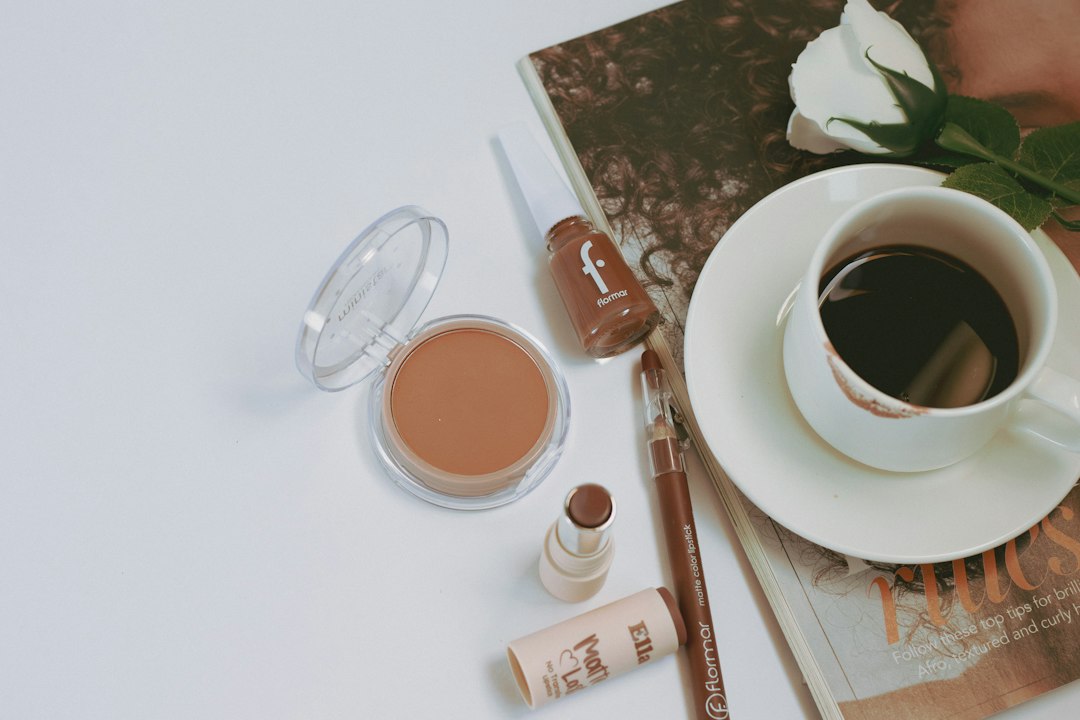
If you want to build a reliable kit without wasting money, focus on five versatile products that cover the face, eyes and lips: a complexion base (tinted moisturizer or foundation), concealer, mascara, a neutral eyeshadow or cream shade, and a multipurpose cheek product (blush or cream tint). With a small set of brushes or tools and an organizer to keep things accessible, you can create everyday looks and learn techniques without overload.
Why those five items — quick practical reasoning
These items solve the problems most beginners notice first: evening skin tone, covering small imperfections, opening the eyes, adding color and simplifying choices. Each piece has room to be low-maintenance or upgraded as skill and preference grow. For someone learning, fewer products reduce decision fatigue and let you practice core skills like blending, matching shades, and controlled application.
How to choose the face base: tinted moisturizer vs foundation
Decision point: do you want light coverage or buildable coverage?
- Tinted moisturizer or BB cream: best if you prefer skin that looks like skin. Lightweight, hydrating, easy to blend with fingers. Good for dry or normal skin or humid climates.
- Liquid foundation: choose a light-to-medium formula if you want longer wear and more coverage. Match undertone (cool, warm, neutral) using natural light—test on the jawline, not the wrist.
Tip: pick a shade that disappears on your jawline. If you’re undecided, start with a tinted moisturizer to learn how much coverage you want.
Concealer: where to use it and how to pick one
Concealer is for targeted correction: under-eye darkness, blemishes, redness. For under-eye, choose a creamy formula one shade lighter than your base; for spots, match your foundation exactly. A small brush or sponge makes precise placement easier. Apply sparingly, blend by tapping, and set with a light dusting of powder if you need longevity.
Simple eye essentials that actually change your look
Many beginners ask whether they need eyeshadow palettes or eyeliner first—start modestly.
- Neutral single eyeshadow or a small quad: a matte light shade to even the lid and a darker matte for the crease create depth without complexity.
- Mascara: one reliable mascara is essential; it lengthens and defines lashes instantly and makes you look more awake.
- Eyeliner (optional): a soft pencil in brown or black is a useful next-step tool for subtle definition.
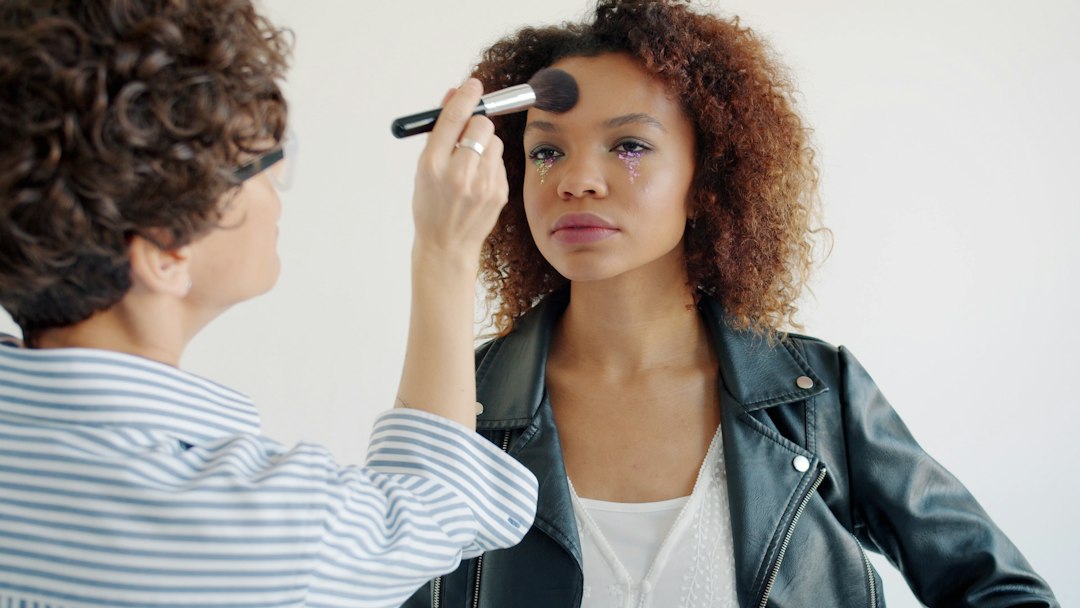
Technique note: apply shadow with a fluffy brush in windshield-wiper motions for a blended crease; swipe mascara from root to tip with a slight zig-zag to avoid clumps.
Cheeks and lips: multipurpose products keep things simple
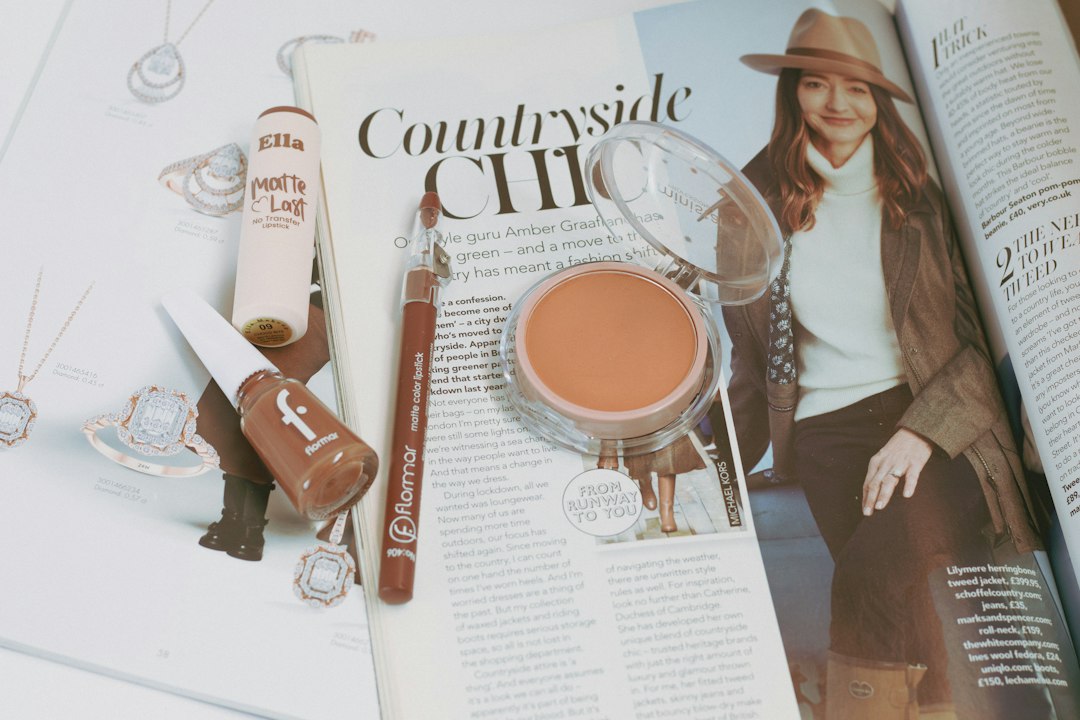
A cream blush or tinted balm can double as a lip color and give a fresh, natural look with minimal tools. Creams blend easily with fingers, which is helpful when you don’t have many brushes. For powder users, a single matte bronzer or a blush/bronzer duo covers both warmth and pop of color.
Tools you need (not a giant collection)
Basics: a small foundation brush or clean fingers, a fluffy eyeshadow brush, a tapered concealer brush or sponge, and a mascara. Those will handle the five essentials above. A basic makeup organizer prevents product clutter and accelerates routine-building.
Why this organizer fits beginners: compact drawers keep creams and small palettes visible and upright, reducing time spent searching and letting products breathe between uses.
How to assemble a starter kit under a modest budget
- Choose one complexion product (tinted moisturizer or light foundation).
- Add a multipurpose concealer.
- Get one neutral eyeshadow (or quad) and reliable mascara.
- Pick a cream blush/balm that can be used on lips.
- Buy 3–4 basic brushes or a small brush set later; use fingers at first.
Buy quality where it touches skin daily (face base, concealer) and value-buy for occasional pieces (bold eyeshadow shades you might not use). Keep receipts and sample when possible.
Common beginner mistakes and quick corrections
- Choosing shades in fluorescent light—always test in natural light.
- Using too much product—build coverage gradually.
- Neglecting hygiene—clean brushes monthly and replace mascara every 3–4 months.
- Buying large palettes thinking variety equals skill—smaller curated sets are more useful early on.
When to expand your kit
Once you’re comfortable with daily looks and want variety, add an eyeliner, a small contour or highlighter, and a dedicated set of brushes for blending. Learn one new technique at a time (smoky eye, simple winged liner) so skills solidify.
Resources for the next step
If you want to layer skincare before makeup, see the guide on proper product order to make makeup sit better over moisturizers and serums: How to Layer Skincare Products in the Correct Order. For storage and more tools, browse the Makeup and Beauty Tools categories.
- Pick one complexion base (tinted moisturizer or light foundation).
- Choose a concealer for under-eye and spot coverage.
- Buy one neutral eyeshadow and a good mascara.
- Select a cream blush or lip-balm tint for dual use.
- Gather 3–4 basic tools and a small organizer to store them.
Begin with five multipurpose products—base, concealer, one eyeshadow, mascara and a cheek/lip product—plus a few basic brushes and storage. This minimal kit covers most everyday needs while keeping learning simple and affordable.
Do beginners need a full brush set?
No—start with 3–4 essentials (foundation or sponge, fluffy eyeshadow brush, concealer brush, mascara). Add more brushes as you learn techniques that require them.
Should I use powder to set makeup daily?
Only if you have oily skin or need long wear; a light dusting over concealer or T-zone is enough. Otherwise, skip powder to keep a natural finish.
How do I match foundation without going to a store?
Order sample sizes or try shade-matching tools online that allow free returns; test on the jawline in natural light before committing to a full-size bottle.
Is cream or powder blush better for beginners?
Cream blushes are forgiving and blendable with fingers; powders are easier to control with brushes. Choose based on whether you prefer fingers or tools.
How often should I replace mascara?
Every 3–4 months to avoid bacterial buildup and maintain performance; discard sooner if it smells odd or clumps heavily.