 Beauty Guides
 Wishlist

You just washed your face, towel-dried, and reached for your usual moisturizer—then caught sight of your stubbled jaw in the mirror and thought: “Where do I even start with this beard?” That exact moment is where most beginners begin. Below are clear, practical steps and product choices to move quickly from neglected stubble to a comfortable, well-shaped beard without fuss.
Start with the basics: wash, condition, and dry correctly
Begin with a proper beard wash instead of regular shampoo. Beard hair is coarser and the skin underneath needs gentler surfactants and conditioning. Use a dedicated beard wash 2–3 times a week (more if you work outdoors or sweat a lot). If you need a recommendation right away, try the store’s top pick for a beard shampoo that balances cleansing and hydration.
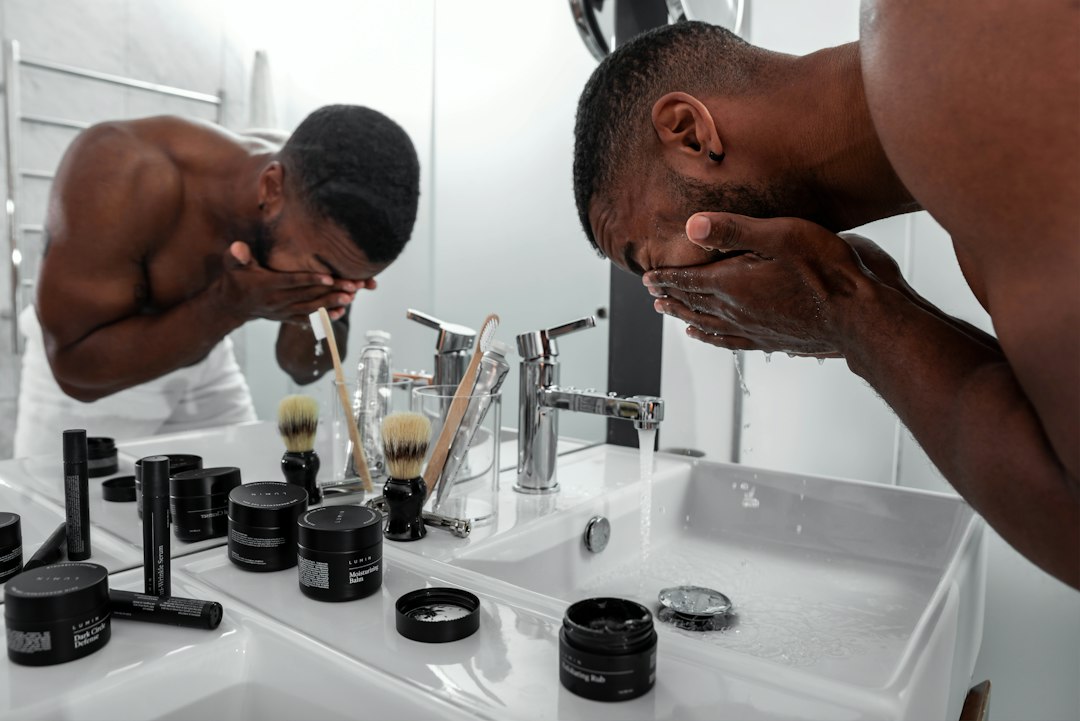
When you wash: lather at the roots and massage the skin for 30–60 seconds to remove dirt and flakes, rinse thoroughly, and pat—don’t rub—dry with a towel. Avoid hot water; warm is best. If your beard feels tight after washing, apply a lightweight leave-in conditioner or a few drops of oil while damp to lock in moisture.
Beard oil: when to use it and how much
Beard oil addresses two problems: dry facial skin (flaky, itchy) and coarse hair that looks dull. Use beard oil daily if you have itch or visible dryness; otherwise start every other day. The right amount depends on length:
- Stubble (0–1 inch): 2–4 drops.
- Short beard (1–2 inches): 4–6 drops.
- Medium to long beard: 6–12 drops, work more into roots and skin.
Warm the oil in your palms, rub through the beard from root to tip, then massage into the skin. If your face looks shiny after application, you used too much or your oil is heavy—try fewer drops or a lighter formula.
Beard balm vs. oil: when to choose each
Think of oil as hydration and balm as light styling plus extra conditioning. Use oil for daily nourishment; add balm when:
- Your beard needs light hold or looks unruly in the morning.
- You want extra smoothing for flyaways or to tame a moustache.
- You have longer hair that needs weight to lay flat.
Apply oil first (on slightly damp hair), then a pea-sized amount of balm rubbed between fingers and smoothed along the outer layer. Increase balm gradually—too much makes hair stiff or greasy.

Tools that make daily grooming faster
Invest in three affordable tools: a quality trimmer, a boar-bristle brush, and a wide-tooth comb. The trimmer keeps edges crisp; the brush distributes oil and trains hair to lay in one direction; the comb helps detangle and finish styling. For most beginners the store’s highest-ranked beard wash is a must-have and a mid-range trimmer is worth buying early—precision saves time later.
If you prefer an electric option for shaping and daily tidying, a reliable all-in-one trimmer makes it easy to maintain consistent lengths without frequent barber visits.
Basic trimming routine for a neat shape
Trim dry hair—wet hair looks longer and will surprise you later. Follow this quick routine:
- Define your neckline: imagine a curved line from behind each ear to just above your Adam’s apple. Trim everything below.
- Set cheek lines by following your natural growth; avoid overly sculpted lines unless you’re confident with symmetry.
- Use your trimmer guard for uniform length, then remove the guard to tidy edges and the moustache boundary.
- Finish by trimming stray longer hairs and use a comb to check for balance.
Keep the look simple at first. Conservative trimming is easier to adjust than repairing an overzealous cut.
Quick fix for patchy growth
If growth is uneven, focus on keeping hair healthy and the overall shape tidy rather than filling gaps. Shorter, well-groomed beards look intentional; heavy product layering can make thin spots more obvious.
Skin issues and simple remedies
Itch, flaking, or ingrown hairs are the most common complaints. Remedies that actually work:
- Reduce washing frequency if your skin is dry; over-washing strips natural oils.
- Use oil immediately after washing while skin is damp to lock moisture in.
- Exfoliate gently once a week with a soft scrub or a washcloth to prevent ingrowns and flakes.
- If redness or persistent irritation occurs, pause products and consult a dermatologist—don’t keep layering new products.
Choosing products without overwhelm
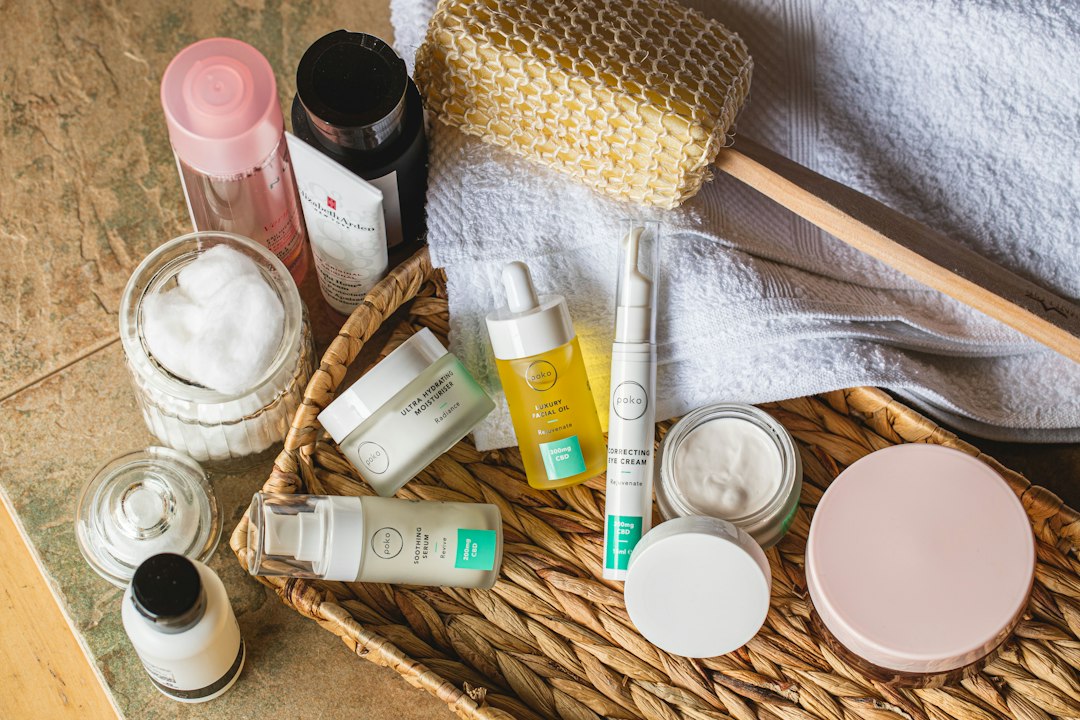
As a beginner, stick to three core products: a beard wash, a light beard oil, and a small tin of balm. Look for straightforward ingredient lists—carrier oils like jojoba or argan and essential oils for scent. Skip complex “performance” claims; prioritize how the product feels on your skin and beard after a week of use.
One sensible starter kit recommendation
For a compact starter set, get a gentle beard wash, a light oil, and a trim-ready tool: the highest-ranked beard wash from the store plus a reliable trimmer will cover hygiene and shaping. The wash (ID 4167) handles daily cleanliness and pairs well with a mid-range trimmer for personal shaping.
Maintenance schedule you can actually keep
- Daily: rinse face, apply beard oil (or every other day if not dry), brush or comb.
- Weekly: wash with beard shampoo 1–3 times, spot-trim to tidy edges.
- Monthly: trim length to maintain your chosen style or see a barber for a shape reset if you’re unsure.
- Buy a gentle beard wash and a lightweight beard oil.
- Pick one trimmer and a boar-bristle brush or wide-tooth comb.
- Practice trimming neckline and cheek lines conservatively.
- Use oil on damp hair and balm for light hold only as needed.
- Track irritation or persistent flakes; simplify products if problems start.
If you’re new to beard care, simplify: wash with a dedicated beard shampoo, use a few drops of oil daily for skin and shine, add balm only for control, and learn one gentle trimming routine. One good trimmer and consistent basic care will make the biggest visible difference.

How often should I wash my beard?
Two to three times a week is enough for most; increase if you sweat heavily or work in dusty environments. Over-washing can dry the skin beneath the beard.
Can I use regular hair oil or shampoo on my beard?
Regular shampoo can be too harsh and strip oils; hair oil formulations may be heavier and clog facial skin—opt for products labeled for beard use when possible.
Should I apply oil before or after balm?
Apply oil first (on slightly damp hair) to hydrate and reach the skin, then balm for hold and surface smoothing.
How do I stop beard itch quickly?
Apply beard oil immediately after washing and use a soft brush to distribute it. For persistent itch, reduce washing frequency and avoid scented heavy products that can irritate.
When should I see a barber instead of trimming myself?
If you want a defined style or can’t get symmetry with your trimmer, visit a barber for the initial shape and then maintain it at home.