 Beauty Guides
 Wishlist
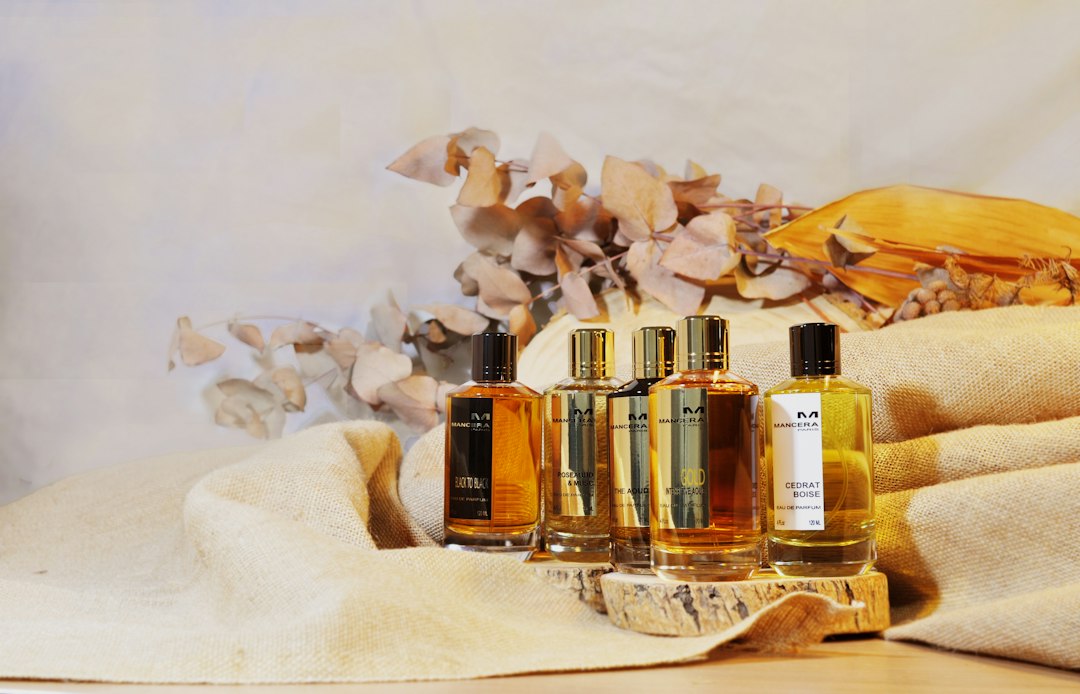
What actually matters when you see Parfum, Eau de Parfum and Eau de Toilette
Most shoppers want one thing: how long the scent lasts and what it smells like on them. Ignore marketing terms and celebrity bottles. The decisive factors are fragrance concentration (how much perfume oil versus alcohol), which controls longevity and projection (sillage), and the fragrance’s composition — the raw ingredients and how they evolve on skin. This article answers “perfume vs eau de parfum” directly, then explains practical trade-offs so you can pick the right type for your routine and budget.
Quick answer: perfume vs eau de parfum vs eau de toilette
Perfume (also called parfum or extrait) = highest concentration of fragrance oils (typically ~20–40%), longest lasting (8+ hours), more intimate projection, and usually the most expensive.
Eau de Parfum (EDP) = mid-high concentration (~12–20%), lasts 4–8 hours, noticeable but not overpowering projection, good balance of wear and cost.
Eau de Toilette (EDT) = lower concentration (~5–15%), lasts ~2–5 hours, lighter projection—often priced lower and favoured for daytime or hot weather.
How concentration changes the experience — the three practical trade-offs
- Longevity: Higher concentration generally equals longer wear. If you need a scent that carries through the evening, parfum or a richer EDP is safer.
- Projection vs intimacy: EDTs often sit closer to the skin (skin scent); EDPs push a modest halo; parfums give a close, long-lasting signature rather than a loud cloud. Choose projection to suit social setting and sensitivity of people around you.
- Cost per wear: Parfum is pricier per millilitre but you often use less—one or two small dabs. EDTs cost less up front but need more frequent reapplication.
Composition, not just concentration, changes results
Two EDPs can behave differently because of their formula. Woody base notes (amber, oud, vetiver) and heavier synthetic molecules increase longevity regardless of concentration. Citrus- or aldehyde-heavy EDTs evaporate faster. Also, skin chemistry—the oils and pH of your skin—can amplify or soften notes. Try before you buy when possible.
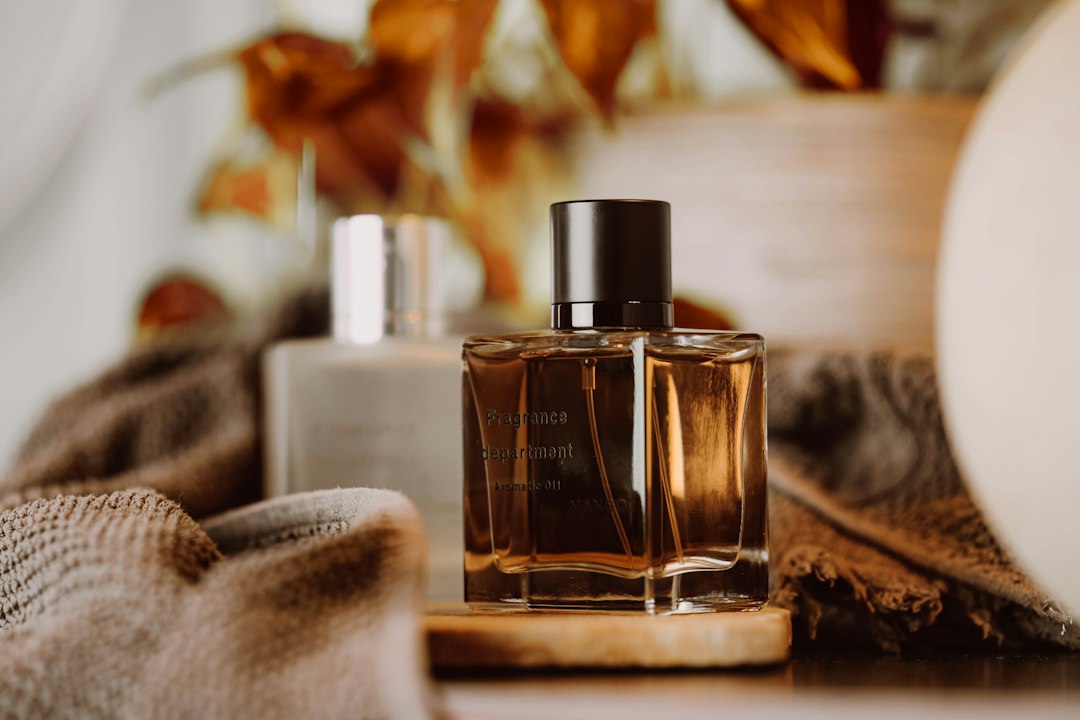
When to choose each: practical scenarios
Match the format to how and where you wear fragrance, and what you value.
- Choose Parfum (Extrait) if: You want a signature scent for evenings, formal events, or cold weather; you prefer a long-lasting signature and dislike reapplying; and you don’t mind paying more per millilitre. Ideal for deeper orientals, gourmand and woody blends.
- Choose Eau de Parfum if: You want a reliable everyday evening option that lasts through work and after-work plans without reapplication. Good balance for most people and most fragrance families.
- Choose Eau de Toilette if: You prefer lighter daytime scents, work in close quarters where strong projection is unwelcome, or live in hot humid climates where heavy scents can become cloying. Also useful for first-time testers or casual seasonal fragrances.
How to test and compare in the store or at home
- Try on paper first, then on your skin—wrist or inner elbow. Allow 20–30 minutes for top and heart notes to settle; check again at 2–3 hours for base behavior.
- Sample different concentrations of the same fragrance if available. A parfums presence will show up later and last longer; an EDT may seem brighter initially.
- Spray modestly. For parfums, one dab often suffices; for EDTs, two quick spritzes are normal. Wait before comparing—give scents time to evolve.
When a product recommendation helps
If you’re choosing a staple EDP to cover evening and daily wear, a well-reviewed mid-to-high concentration women's EDP that balances floral and warm base notes will be versatile.
For a lighter daytime option or warm-weather EDT with good projection without being overpowering, consider a classic aquatic EDT.
Exceptions and edge cases worth knowing
- Some brands label a composition “Intense” or “Concentré” without reflecting a standard concentration; check product specs or sample it.
- Fragrance family matters: a citrus parfum may still fade faster than a woody EDT. Don’t assume permanence solely from the label.
- Perfume oils in roll-ons are frequently marketed as parfum strength but can perform differently because of application method and carrier oils.
Practical care and application tips
- Apply to warm pulse points—wrists, base of throat, behind ears, inner elbow—to boost diffusion.
- Don’t rub wrists together; that crushes top notes and alters the scent’s trajectory.
- Store away from light and heat; fragrances degrade faster when exposed to sunlight and temperature swings.
- For travel, bring an EDT or sample vial for easier reapplication; a parfum solid or vial is convenient for long trips if you use very little.
Final guidance: which format suits you?
If you already have a signature scent in EDP and like its character, there’s little reason to switch to the parfum unless you need extra longevity or a denser presence. If you’re building a small wardrobe of scents, pair an EDT for daytime and an EDP or parfum for evening—this covers most social and climate needs without overspending.
- Try the scent on skin, not just on a paper strip.
- Wait at least 30 minutes to assess the heart notes and 2–3 hours for base notes.
- Decide whether longevity or lightness matters more for your daily routine.
- Check for “Intense/Concentré” but verify concentration if longevity is critical.
- Choose parfum for nights/cold weather, EDP for versatile wear, EDT for daytime/hot climates.
Concentration drives most differences: parfum for longest wear and intimate signature, EDP for balanced longevity and versatility, EDT for lighter daytime use. Always test on your skin and pick the format that fits how and where you'll wear it.
Does a higher concentration always smell stronger?
Not always—higher concentration tends to last longer and can feel richer, but projection also depends on the ingredients; some heavy bases project less than bright top notes.
Can I layer EDT and EDP of the same perfume?
Yes. Lightly layering an EDT under an EDP of the same line can extend wear and subtly change the opening; test first to avoid overly strong projection.
Are parfum roll-ons as long-lasting as sprays?
Roll-ons can be long-lasting because of higher oil content, but application method and carrier oils make them behave differently; sprays distribute more evenly for projection.
How much should I spend based on concentration?
Spend according to how often and when you'll use the scent: invest in parfum or EDP for daily signature pieces, and choose EDTs for seasonal or casual options to save money.