 Beauty Guides
 Wishlist
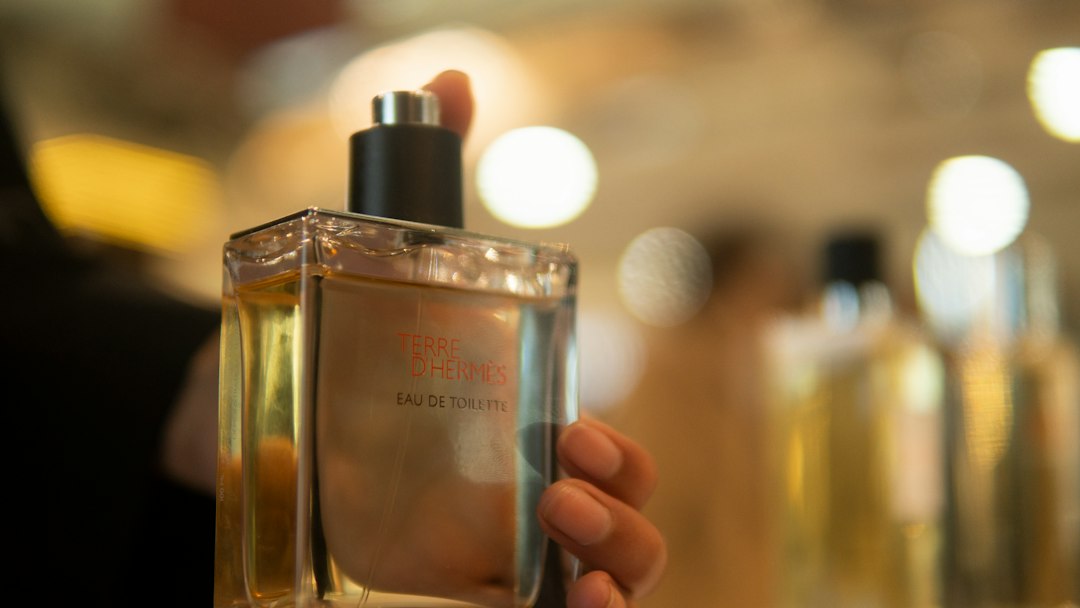
You’re getting dressed for a first date or an important meeting — what scent do you wear?
Choosing a fragrance that matches your personality matters because a scent is part of how people remember you. To choose well, focus less on brand and hype and more on three concrete things: the scent family that fits your temperament, how the perfume behaves on your skin, and when you’ll actually wear it. Below is a practical way to choose a fragrance you’ll enjoy wearing every day.
Start by matching scent families to personality and situations
Think of scent families as short-hand for moods. The family you gravitate to should reflect the persona you want to project and the context you need it for.
- Citrus & Green: Bright, clean, energetic. Works for approachable, outgoing personalities and daytime settings — office, errands, brunch.
- Floral: Range from light and romantic (peony, rose) to opulent (tuberose). Choose softer florals for friendly or creative types; denser florals for classic, elegant moods.
- Oriental / Amber: Warm, spicy, sensual. Best for confident, bold personalities and evening occasions.
- Woody / Aromatic: Earthy, grounding notes like cedar, vetiver, sage. Suits understated, professional, or outdoorsy personas.
- Gourmand: Sweet, edible-smelling notes — vanilla, caramel, chocolate. Feels cozy and fun; use sparingly for intimate evenings or casual weekends.
Decide what matters most: daily signature, seasonal rotation, or occasion-only?
Your buying strategy changes with use case.
- Daily signature: Pick a versatile, not overpowering eau de parfum with 4–8 hour longevity in a scent family you love. Prioritize comfort, subtlety and consistent skin performance.
- Seasonal rotation: Lighter citrus/green and florals for spring/summer; warmer orientals, woody and gourmand for fall/winter. Smaller bottles or minis are useful here.
- Occasion-only: If you need something for evenings or special events, pick a richer oriental or pronounced floral and test for sillage (how far it projects).
How to test perfume effectively in stores and at home
Testing is where many buyers go wrong. Follow a simple, repeatable routine so you can evaluate how a scent actually behaves.
- Smell with breaks: Limit initial sniffing to 3–4 samples per visit and wait 10–15 minutes between each. Your nose fatigues fast.
- Use blotters first, then skin: Blotters give an immediate impression, but always retest on your skin (inside wrist or crook of elbow) — skin chemistry changes notes.
- Don’t judge right away: Note the top, heart, and base evolution over 1–4 hours. A perfume’s true character often emerges after 30–60 minutes.
- Wear for a real activity: If you can, wear a sample while running errands or working; you’ll notice projection and whether the scent feels “you” in everyday life.
Interpret what you smell: practical cues, not fanciful language
Marketing notes can be flowery. Translate them into practical cues:
- If a scent reads bright and short-lived: likely high citrus; good for daytime but not a signature if you want longevity.
- If it becomes sweet and edible on skin: that’s gourmand; consider intensity and whether you want to smell “food-like.”
- If it dries down woody or soapy: often more versatile and subtle — a safe choice for office wear.
- If it’s overwhelmingly boozy, smoky, or heavy spices: reserve for nights or when you want strong presence.
Account for your skin chemistry and climate
Two people often get different results from the same bottle. Body oiliness, diet, medications and local humidity affect evaporation and scent perception.
- Dry skin: fragrances may dissipate faster — choose higher concentration (eau de parfum) or layer lightly with unscented lotion to anchor the scent.
- Oily skin: scents can project more and last longer; start with less spray.
- Hot, humid climates: lighter, fresher scents feel better; heavy orientals can become cloying. Cold climates allow richer notes to sit nicely.
Practical product options for common needs
Below are recommended product types that fit typical, identifiable needs. Choose the one closest to your use case.
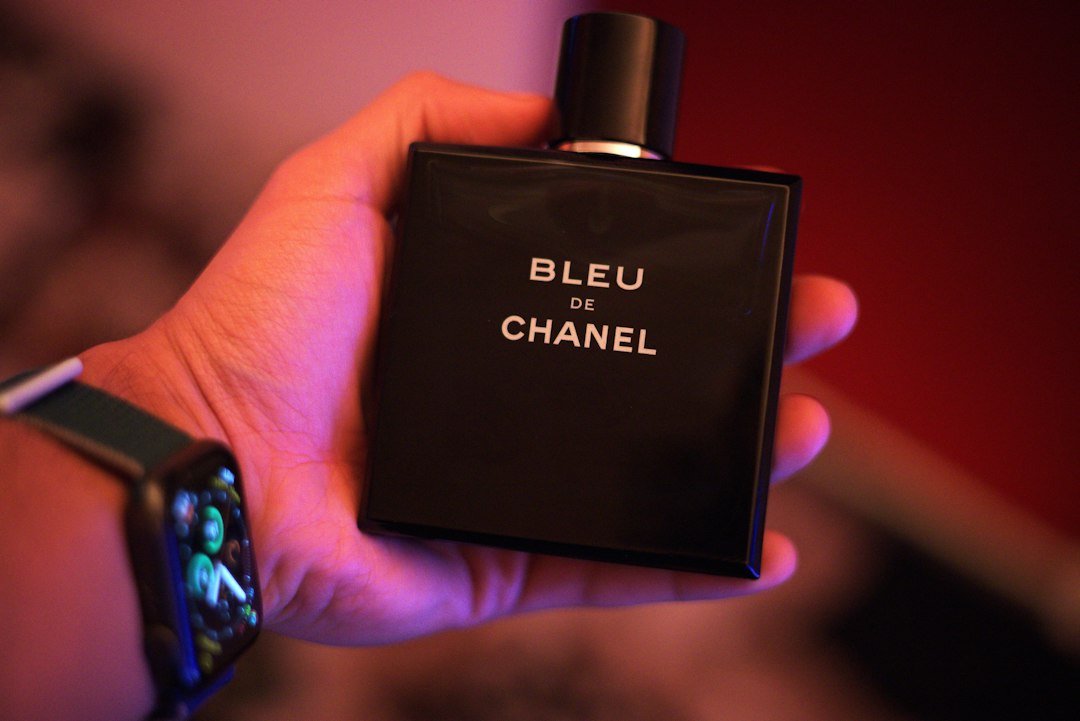
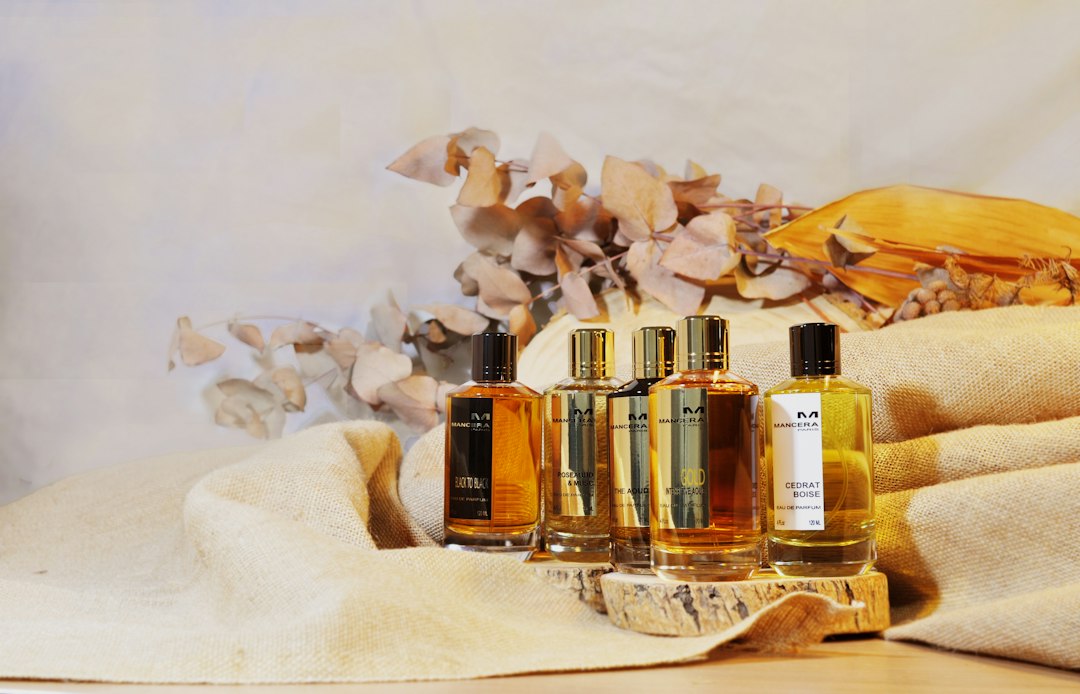
If you want an easy daily signature that’s versatile and unassuming, start with a modestly concentrated set or single EDT/EDP from a balanced woody or soft floral family. For someone building a small rotation or seeking gifts, a curated mini set gives variety without commitment.
For women wanting playful daytime options or travel-ready choices, a mini fragrance wardrobe helps you test families before committing to a full bottle.
Common mistakes to avoid when choosing a fragrance
- Buying on first sniff — scent evolves and needs time.
- Over-testing in one visit — your nose needs recovery time.
- Relying only on others’ opinions — personal comfort matters more than trendiness.
- Choosing solely for packaging — a pretty bottle doesn’t mean it suits you.
Final quick decision method: three-question checklist before purchase
Answer these before you buy: Do I want daily wear, seasonal variety or occasion-only? Did I test it on my skin for at least an hour? Does it make me feel like the person I want to be in that situation? If yes to all three, buy the size that fits your commitment level (sample/mini, 30–50 ml, or full bottle).
- Test on skin, not just blotters.
- Wear the sample for at least an hour in a real setting.
- Match scent family to your personality and intended occasion.
- Consider concentration and climate for longevity.
- Start with a mini or sample set if unsure.
Choose a scent family that reflects the image you want to project, verify performance on your skin and in real situations, and start small unless you’re certain. A thoughtful test and a clear use-case will get you a fragrance you enjoy wearing.
How many fragrances should I own?
There’s no fixed number; many people find 2–4 covers daily, seasonal and special-occasion needs—one fresh, one woody/neutral, and one richer evening scent.
How do I make a fragrance last longer?
Use higher concentration (EDP), apply to pulse points on moisturized skin, and consider layering with an unscented lotion or matching body products.
Is it okay to wear different scents to work and out at night?
Yes. Choose subtle, low-sillage options for shared spaces and save stronger, more characterful scents for evenings or private events.
Can I combine two fragrances?
Yes—fragrance layering can be effective if the scents are complementary (for example, a light citrus with a soft woody). Test combinations carefully in small amounts.
What’s the difference between EDT and EDP?
EDT (eau de toilette) usually has lower concentration and lighter projection; EDP (eau de parfum) is richer and typically lasts longer.