 Beauty Guides
 Wishlist
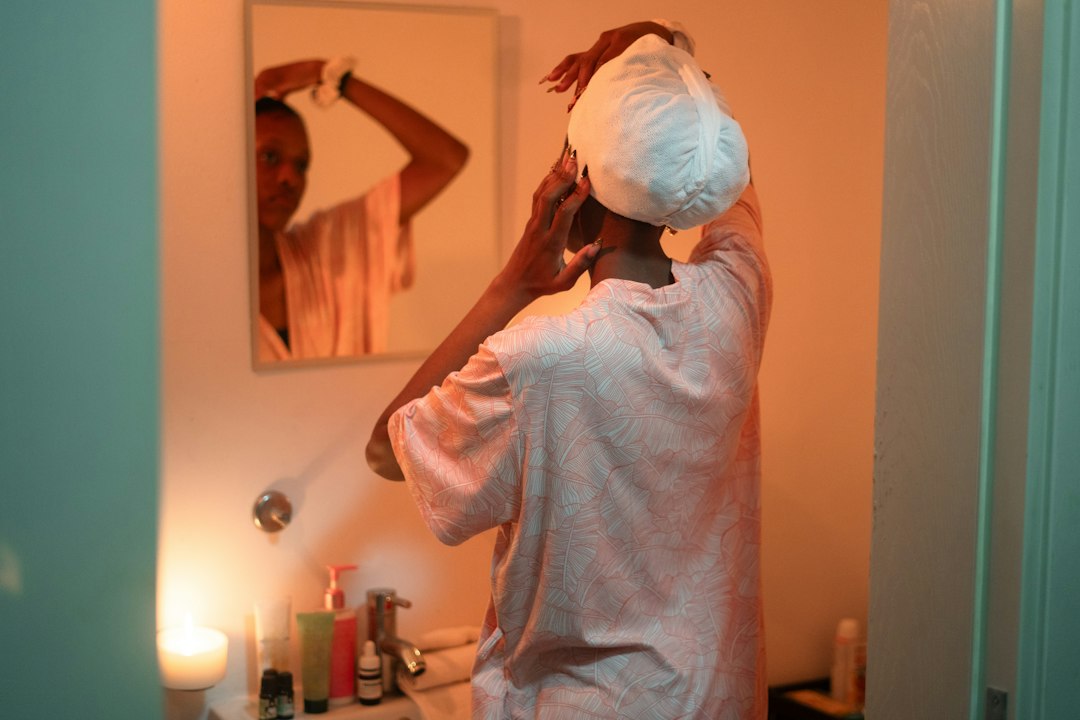
It’s a Saturday morning: you’re looking at a photo of your favorite hairstyle and thinking, “Could I get this from one chemical service?” Maybe you’ve eyed smoother, easier-to-manage hair, or you’re tired of daily heat-styling. Before you pick up a relaxer or book a salon appointment, the simple truth is this: hair relaxers can permanently alter your hair’s structure and require deliberate prep and follow-up. Below is what to know so you can decide safely and get predictable results.
Short answer: what a relaxer does and who should consider one
A hair relaxer is a chemical straightening treatment that breaks the hair’s natural disulfide bonds to permanently reduce curl or texture. It’s mainly used by people who want long-term straightening rather than temporary heat styling. Consider a relaxer if you want low-daily-maintenance straight hair and are prepared for the required application precision and aftercare; avoid relaxers if you have very damaged, over-processed, thinning hair, or a scalp condition unless cleared by a professional.
How relaxers work, in plain terms
Relaxers are alkaline creams or liquids containing active reducing agents (commonly sodium hydroxide for “lye” relaxers, or calcium hydroxide/guanidine carbonate in “no-lye” formulas). Applied to hair, they swell the strand, disrupt disulfide bonds, then are rinsed and neutralized to stop the chemical reaction. Neutralizing is essential—skip it and the hair continues to weaken.
Lye vs no-lye: practical differences
- Strength and speed: Lye relaxers (sodium hydroxide) act faster and can be more effective on coarse, resistant hair. No-lye relaxers tend to be gentler but may leave mineral buildup over repeated use.
- Scalp sensitivity: People with sensitive scalps often choose no-lye products, though “gentler” doesn’t mean risk-free—application technique matters most.
Key risks and how to minimize them
Main risks: chemical burns, breakage, over-processing, scalp irritation, and gradual weakening that can cause thinning. You can reduce risk with these rules:
- Get a strand and patch test first to check processing time and allergic reaction.
- Only apply to healthy hair with freshly washed, dry-to-damp scalp; avoid relaxing recently colored or severely damaged hair.
- Follow the manufacturer’s timing exactly—do not leave on longer hoping for straighter hair.
- Never relax hair that has been relaxed within the last 8–12 weeks; new growth only for touch-ups to avoid overlapping on previously relaxed lengths.
- Neutralize thoroughly and use a neutralizing shampoo immediately after rinsing the relaxer.
How to plan the first relaxer: timing, tests, and professional vs at-home
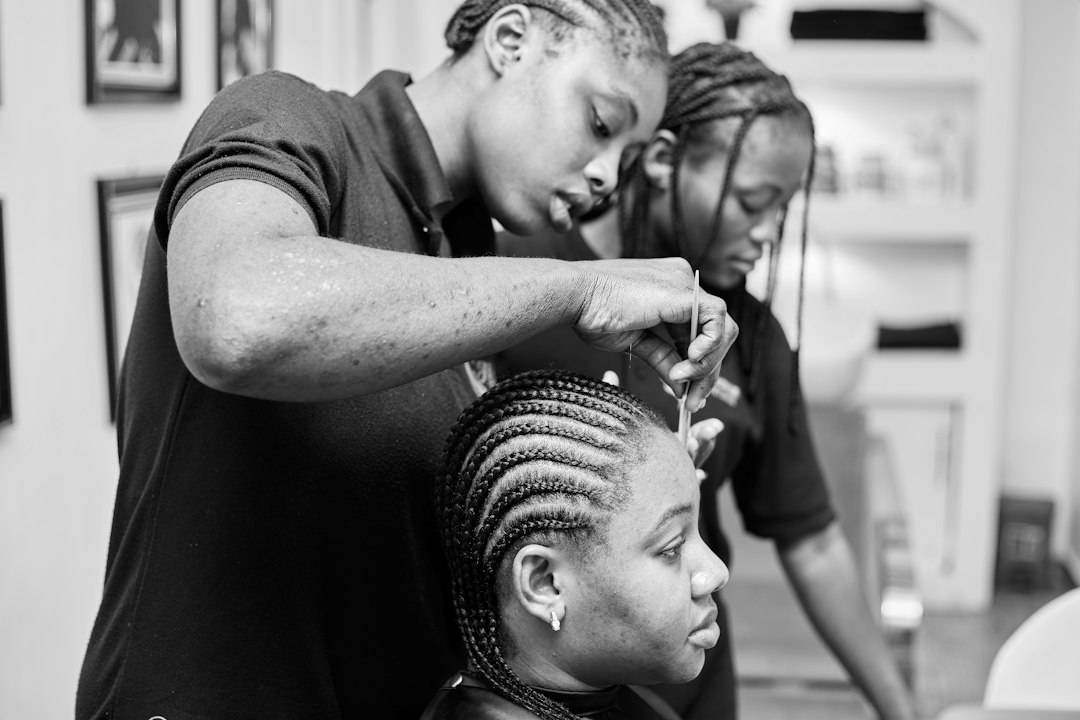
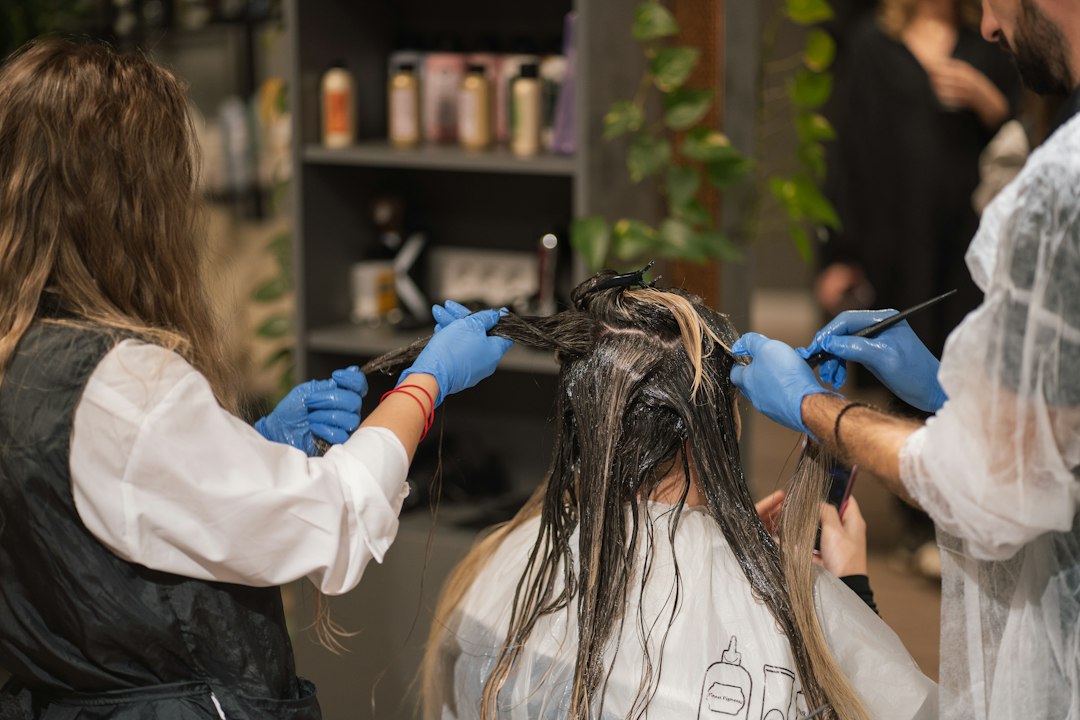
Decide whether to go to a stylist. A professional will do proper sectioning, apply to new growth only, control timing, and neutralize correctly—this is especially important for first-timers or if you’ve previously colored or chemically treated your hair. If you choose at-home, buy a kit appropriate for your hair type and read instructions fully.
Before the full application:
- Do a strand test to determine exact processing time and final look.
- Do a 48-hour patch test for allergic reaction on the skin behind the ear or inner elbow.
- Plan for a neutralizing shampoo immediately after the processing time—this is non-negotiable.
Aftercare: what to expect the first 2–8 weeks
Right after relaxing, hair needs rebuilding and moisture. In the first 48 hours avoid tight styles, swimming pools, and protein treatments unless directed by a pro. Establish a care routine:
- Use a neutralizing/clarifying shampoo after the relaxer (this prevents lingering chemical activity)—consider a neutralizing shampoo product immediately after service.
- Follow with a deep conditioning masque weekly for at least the first month; use a leave-in conditioner for daily moisture.
- Limit heat styling while hair regains strength and always use a heat protectant when you do.
- Schedule touch-ups every 8–12 weeks for new growth—do not overlap relaxer on previously relaxed hair.
When a relaxer might not be the right answer
If your goal is occasional sleek looks, consider thermal straightening (flat iron) with protective products or smoothing keratin treatments that are temporary. If you have breakage, active scalp disease, or hair loss, seek a trichologist or dermatologist before chemical processing. For people wanting more styling versatility, alternatives like texturizers (milder chemical change) or professional blowout services may be better.
Helpful product option for post-relaxer care
If you need a ready neutralizing/clarifying option specifically after a relaxer, the store’s high-match neutralizing shampoo is a practical place to start. Use it immediately after rinsing the relaxer to stop processing and remove residues.
Practical recap: what to do next
Decide if you’ll visit a professional or do an at-home kit, schedule a strand and patch test, check hair and scalp health, and pick up a neutralizing shampoo plus a deep conditioner before you begin. Keep your first 48 hours hair-care gentle and plan touch-ups responsibly.
- Perform a 48-hour skin patch test and strand test for timing.
- Confirm hair is healthy—no recent bleach, significant breakage, or scalp issues.
- Choose lye vs no-lye based on scalp sensitivity and hair resistance.
- Have a neutralizing shampoo and deep conditioner ready before you start.
- Plan for touch-ups at 8–12 week intervals; do not overlap on relaxed lengths.
Relaxers are effective for lasting straightening but are chemical and irreversible. The key to good results is testing, correct timing, careful application (preferably professional), and strict aftercare including neutralization and strengthening treatments.
How long does a relaxer last?
Relaxers permanently alter the treated hair; the straightened portion lasts until the treated hair grows out or is cut off. Touch-ups for new growth are typically needed every 8–12 weeks.
Can I relax colored hair?
It’s possible but riskier. Wait at least two weeks after most hair color services and have a professional assess porosity and damage before relaxing.
What if my scalp burns during application?
If you feel a strong burning or stinging, rinse the relaxer off immediately and seek professional advice; chemical burns can be serious.
Will relaxers stop hair from thinning?
No. Relaxers can weaken hair if misused and may contribute to breakage; they don’t prevent genetic or medical hair loss.
Can I use protein treatments after a relaxer?
Yes, but wait at least 2–3 weeks unless advised otherwise; immediate strong protein treatments can interact with recently processed hair—start with gentle moisturizing treatments first.