 Beauty Guides
 Wishlist

Start with one overlooked mistake people miss
Many people assume more products equal better results. The reality: piling on treatments without understanding interactions often causes irritation, breakouts or wasted money. If you want clearer skin, first stop common skincare mistakes that undo the benefits of good ingredients.
1. Skipping sunscreen — and why it matters
The problem: Sunscreen is treated like optional, used only on sunny days or for special outings.
Why it matters: UV exposure drives premature aging, pigmentation and most skin cancers. Daily protection limits short- and long-term damage regardless of season or window light.
Better approach: Apply a broad-spectrum SPF 30+ every morning as the final step of your routine (or over makeup). Reapply every two hours during sustained sun exposure or after sweating or swimming. If you prefer lightweight textures, choose a gel or fluid labeled non-comedogenic.
2. Over-exfoliating—how much is too much
The problem: Daily scrubs, frequent chemical peels or combining strong actives without rest.
Why it matters: Over-exfoliation disrupts the skin barrier, causing redness, sensitivity and paradoxical oiliness or dehydration.
Better approach: Use physical scrubs no more than once weekly and chemical exfoliants (AHA/BHA) 1–3 times weekly depending on tolerance. Alternate days with hydrating or barrier-repairing products. If you see persistent stinging or flaking, stop exfoliants for a week and rebuild slowly.
3. Using the wrong moisturizer for your skin type
The problem: Oily skin people avoiding all oils, dry-skin people using lightweight gels that evaporate.
Why it matters: A moisturizer is about restoring barrier function, not simply adding shine or mattness; the wrong base can exacerbate issues.
Better approach: Match texture to needs—lightweight, water-based humectants (hyaluronic acid, glycerin) for oil-prone skin; creamier formulas with occlusives (ceramides, squalane) for dry skin. For combination skin, use a lighter gel in T-zone and richer cream on cheeks, or choose a balanced lotion.
4. Ignoring product interactions
The problem: Mixing retinol with strong acids or benzoyl peroxide, or layering multiple vitamin C products without considering pH.

Why it matters: Some combinations reduce efficacy or increase irritation; others can inactivate key actives.
Better approach: Stagger potent treatments—use vitamin C in the morning (with sunscreen) and retinoids at night. Avoid pairing retinol and exfoliating acids the same night. When in doubt, consult product instructions or simplify to one active at a time while you test.
5. Not patch-testing new products
The problem: Applying a new serum or mask to the entire face immediately.
Why it matters: Patch testing reveals sensitivities before they become full-face reactions that set back progress.
Better approach: Apply a pea-sized amount behind the ear or on the inner forearm for 48 hours. If no irritation appears, introduce slowly—every third night then increase frequency.
6. Washing too often or too aggressively
The problem: Excessive cleansing, hot water, or vigorous rubbing with a towel.
Why it matters: Stripping oils damages the barrier and can trigger more oil production and inflammation.
Better approach: Cleanse twice daily with lukewarm water and a gentle cleanser; single cleanse at night if you didn’t wear makeup or sunscreen. Pat skin dry—avoid rough rubbing.
7. Sleeping in makeup or sunscreen
The problem: Saving time by skipping evening removal.
Why it matters: Residual makeup clogs pores, contributes to breakouts and prevents nighttime repair processes.
Better approach: Use a double-cleanse if you wear heavy makeup: an oil-based cleanser to lift makeup and sunscreen, followed by a gentle water-based cleanser to cleanse residue. Finish with treatment products or moisturizer.
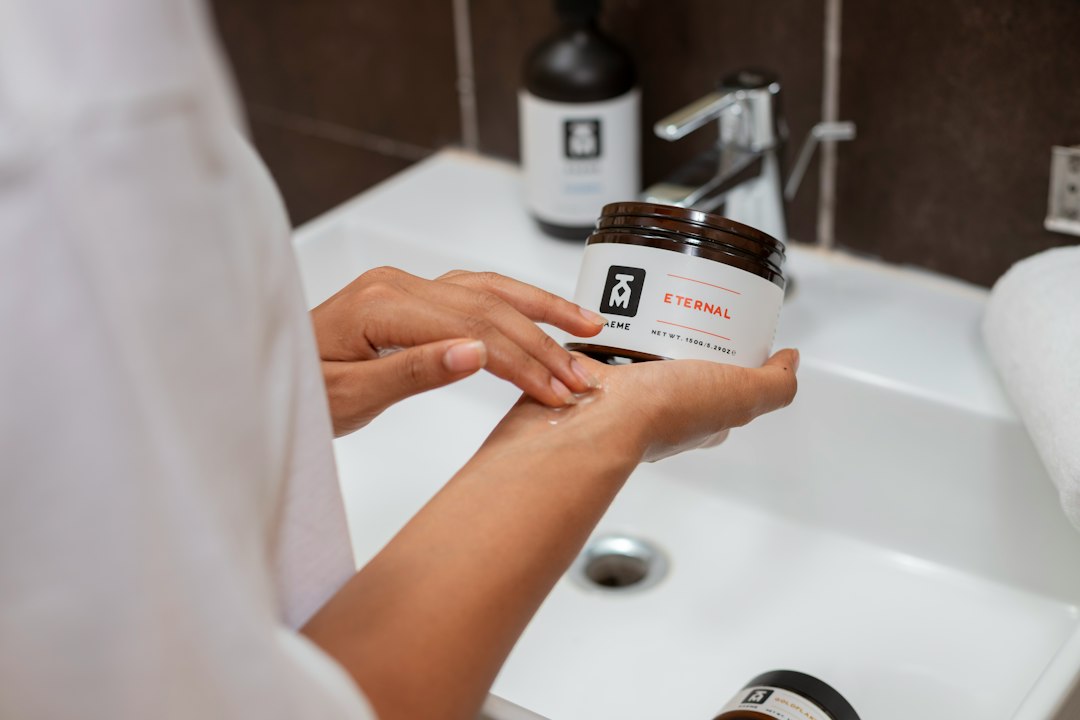
8. Chasing quick fixes instead of consistency
The problem: Switching products every few weeks hoping for instant results.
Why it matters: Most actives need weeks to show benefits; frequent changes make it impossible to know what works and may provoke irritation.
Better approach: Give a new core product 6–12 weeks at a stable frequency before judging. Introduce only one new product at a time so you can track changes.
9. Using expired or improperly stored products
The problem: Keeping serums and sunscreens beyond their usable life or storing them in hot, humid places.
Why it matters: Ingredients can oxidize or lose potency; contaminated jars increase infection risk.
Better approach: Note purchase/open dates and follow the PAO (period-after-opening) symbol. Store sensitive products (vitamin C, retinol) away from direct light—some benefit from refrigeration.
10. Forgetting sleep, hydration and diet’s role
The problem: Treating skincare as only topical fixes and overlooking lifestyle factors.
Why it matters: Hydration, sleep and nutrient intake affect cellular repair, inflammation and oil balance, influencing how topical products perform.
Better approach: Prioritize 6–8 hours of quality sleep, drink water throughout the day, and include a balanced intake of antioxidants, omega-3s and protein to support skin renewal.
One practical product to help your night routine
If you use a nightly treatment and want a straightforward serum to support barrier repair and anti-aging without excessive irritation, consider a targeted men's night serum that combines nourishing emollients with retinoid support. It fits where readers need a simple, strong-care product without a long layering list.
- Apply broad-spectrum SPF every morning and reapply when needed.
- Limit chemical exfoliant use to 1–3 times weekly and watch for irritation.
- Patch-test new products for 48 hours before full-face use.
- Double-cleanse at night if you wear sunscreen or makeup.
- Choose moisturizer texture to match skin zones, not a single rule for all.
- Track product open dates and store sensitive items away from light.
Start by simplifying: remove redundant products, adopt daily sunscreen, and introduce one active at a time. Small, consistent changes protect your skin barrier and make treatments actually work.
How soon will I see results after fixing these mistakes?
Visible improvements like reduced irritation or fewer breakouts can appear within days to weeks; expect meaningful changes from active ingredients in 6–12 weeks.
Can I use vitamin C and retinol together?
It's safer to use vitamin C in the morning and retinol at night to avoid pH conflicts and reduce irritation; some formulations combine derivatives safely, but introduce gradually.
Is physical exfoliation better than chemical?
Both work when used appropriately; chemical exfoliants offer consistent cell turnover without abrasive particles, but sensitivity and product choice determine the best option.
How do I know if a product is causing problems?
Look for new redness, persistent stinging, increased breakouts, or flaking after introducing a product; stop it and patch-test alternatives.
Do men’s and women’s skincare products differ significantly?
Formulations often overlap; marketing differs more than ingredients. Choose products by texture and active ingredients suitable for your skin, not gender labels.