 Beauty Guides
 Wishlist
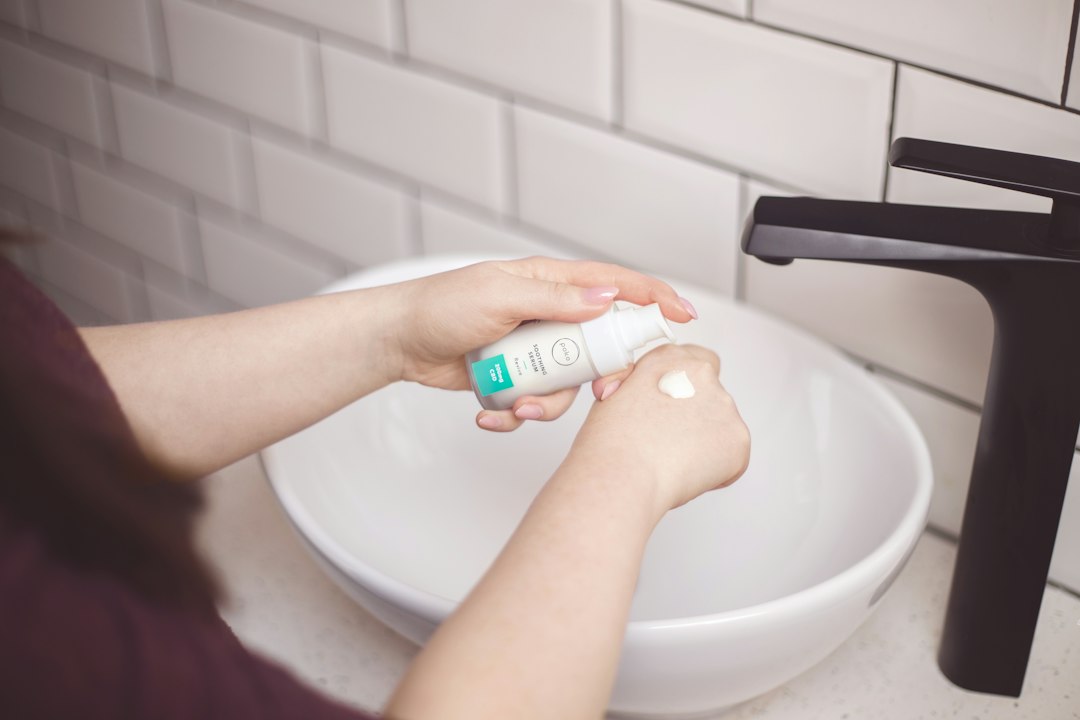
That five-minute morning when you skip SPF
You hurried out with coffee, your face bare of SPF, and by evening your cheeks feel tight or you notice darker spots—this is the common routine gap the best sunscreen daily should close. Choosing one you’ll actually use every morning is more important than chasing the absolute highest SPF on the shelf.
What really matters when you pick a daily sunscreen
Focus on three practical protections first: broad spectrum (blocks UVA and UVB), an SPF that fits your exposure, and a texture you’ll apply consistently. Secondary considerations—water resistance, added skincare ingredients, and compatibility with makeup—matter next.
- Broad spectrum: Non-negotiable. UVA damages skin long-term and causes aging; UVB burns. Choose a labeled broad spectrum product.
- SPF choice: SPF 30 blocks about 97% of UVB; SPF 50 blocks ~98%. For everyday city wear SPF 30 is sufficient if applied correctly; choose SPF 50 if you spend long periods outdoors or want a margin for imperfect application.
- Texture and finish: If it feels heavy or leaves a white cast, you’ll skip it. Lightweight gels, fluid lotions, and tinted mineral sticks are easier to wear daily.
Match your formula to how you actually spend your day
Organize choices by use case rather than brand—pick what fits your real life.
Daily commuting, office work, incidental sun
Goal: comfortable all-day wear under makeup. Prioritize lightweight SPF moisturizer or a fluid facial sunscreen labeled non-greasy and broad spectrum. A chemical or hybrid sunscreen with a matte or natural finish often works best.
Recommended approach: Use an SPF moisturizer in the morning as the last skincare step, then apply makeup.
Active outdoor days, sports, water exposure
Goal: sweat and water resistance. Use a water-resistant sunscreen (often listed as 40 or 80 minutes). Apply a higher SPF (50) and reapply every 80 minutes or after toweling or heavy sweating. Sprays can help on the body but avoid sprays for the face; pump or stick formulas allow controlled coverage.
Sensitive, rosacea-prone, acne-prone, or post-procedure skin
Goal: minimal irritation. Favor mineral sunscreens (zinc oxide and/or titanium dioxide) or formulas labeled for sensitive skin and fragrance-free. Many modern mineral formulas are lightweight; look for “untinted” or “clear” if you’re concerned about white cast.
Oily or combination skin
Goal: avoid shine and clogged pores. Choose oil-free, non-comedogenic, gel lotions, or mattifying SPFs. A lightweight chemical sunscreen or a mineral formula with a powder-finish works well.
Dry skin that needs hydration
Goal: combine sunscreen with moisture. Look for SPF moisturizers that contain hyaluronic acid, ceramides, glycerin or oils. Nighttime-only hydrators don’t replace morning SPF—use a moisturizing SPF instead.
Key trade-offs: chemical vs mineral filters
Chemical (organic) filters absorb UV and generally feel lighter and invisible on skin; they’re excellent under makeup. Mineral (physical) filters sit on the skin and reflect UV; they’re often gentler for sensitive skin and provide instant protection. Many modern formulas blend both approaches.

How to test a sunscreen quickly in store or at home
- Smell and feel it on the back of your hand—no strong fragrance and no uncomfortably greasy finish.
- Press a small amount into the cheek area and look for white cast in natural light; wait 30 seconds to see if it pills when layered under makeup.
- Check the label for “broad spectrum,” SPF number, water resistance, and any sunscreen filter names if you have known sensitivities.
Application basics everyone skips
- Apply sunscreen as the final morning skincare step and allow 2–3 minutes to absorb before makeup.
- Use about a nickel-sized dollop for your face (including ears and neck); most people apply far too little.
- Reapply every two hours during extended outdoor exposure; for commuting and office days, reapply if you’ll be outside for long stretches or after heavy sweating.
Practical product suggestions for common needs
Below are options matched to specific everyday scenarios. Each product is placed where it best solves the described need.

For a hydrated, protective morning routine (moisturizer + SPF):
For a lightweight, invisible face formula that layers under makeup (everyday commuters):
For a high-SPF, mineral option suitable for sensitive or post-procedure skin:
Small extras that improve results
- Use sunglasses and a wide-brim hat—sunscreen is one layer in a prevention strategy.
- Don’t forget often-missed spots: the ears, upper chest, and the back of the neck.
- Replace sunscreen yearly or when the texture separates or smells off.
Where to look for related routines and product categories
If you want a full morning routine that integrates SPF or category browsing, these guides and sections are helpful:
- Choose a labeled broad spectrum SPF (30 or 50 depending on exposure).
- Match texture to your skin type—matte for oily, hydrating for dry.
- Prefer mineral if you have sensitive or reactive skin.
- Confirm water resistance if you’ll sweat or swim.
- Apply enough: a nickel-sized amount for face and neck.
- Plan to reapply after long outdoor exposure or heavy sweating.
For everyday protection, pick a broad spectrum SPF you enjoy wearing; that will give you the best real-world defense. Prioritize finish and feel aligned with your routine, then check SPF level and water resistance based on planned exposure.
Do I need sunscreen if I’m mostly indoors?
Yes—window glass filters some UVB but not all UVA. Apply a daily broad spectrum SPF, especially if you sit near windows or are exposed to indirect sun.
Is SPF 50 worth it over SPF 30 for daily use?
For short outdoor exposure, SPF 30 is sufficient if applied correctly. Choose SPF 50 if you expect prolonged outdoor time or want extra protection for sensitive skin.
Can I use body sunscreen on my face?
You can, but facial sunscreens are formulated to be less irritating and non-comedogenic; they’re a better long-term choice for daily face use.
How often should I reapply sunscreen during the day?
Reapply every two hours during continuous outdoor exposure, or sooner after swimming, towel-drying, or heavy sweating.
Will mineral sunscreen leave a white cast on darker skin tones?
Some older mineral formulations can, but many modern zinc oxide formulas are micronized or tinted to reduce white cast—look for “untinted clear” or tinted mineral sticks.