 Beauty Guides
 Wishlist
Start with the result: stronger, softer hair that resists splits
If your main goal is to prevent hair breakage and dryness, focus on three outcomes: protect the hair shaft from mechanical and thermal stress, keep moisture balanced so strands bend instead of snap, and repair existing weak spots. Ignore trendy one-size-fits-all “miracle” fixes; the right routine depends on your hair’s porosity, styling habits, and current damage level.
Assess what’s happening now so you don’t treat the wrong problem
Before changing products, do a quick reality check: when does breakage happen—while brushing, after heat styling, or around the crown where hair is tied? Is your hair straw-like and rough, or is it fine but limp? Perform a simple porosity test: drop a clean strand in water—if it sinks quickly, hair is high-porosity and needs sealing; if it floats, it’s low-porosity and needs lighter hydration. Knowing this guides product texture and treatment frequency.
Daily and weekly routine to prevent hair breakage
Follow this practical order: cleanse, condition, protect, and style with gentle techniques.
1. Cleanse without stripping
- Choose a sulfate-free or gentle shampoo appropriate to your needs: use a strengthening, biotin-enriched formula if hair is thin or prone to breakage; choose a hydrating, argan- or coconut-based formula if hair is dry. (For many readers, a balanced daily/weekly shampoo like the Mielle Organics Rosemary Mint or a hydrating argan set works—see product suggestion below.)
- Use lukewarm water; hot water opens cuticles and increases moisture loss.
- Limit full washes to 2–3 times weekly for dry hair; more frequent washing for oilier scalps but use milder cleansers.
2. Condition with purpose
- Always use a conditioner after shampooing. Focus on mid-lengths and ends, not the scalp, unless you have a very dry scalp.
- Once weekly, use a deep-conditioning mask or protein treatment depending on damage: high breakage from chemical or heat damage benefits from a balanced protein + moisture mask; simple dryness responds to creamy, oil-rich masks.
- Rinse with cool water to close the cuticle and lock moisture.
3. Detangle and dry with care
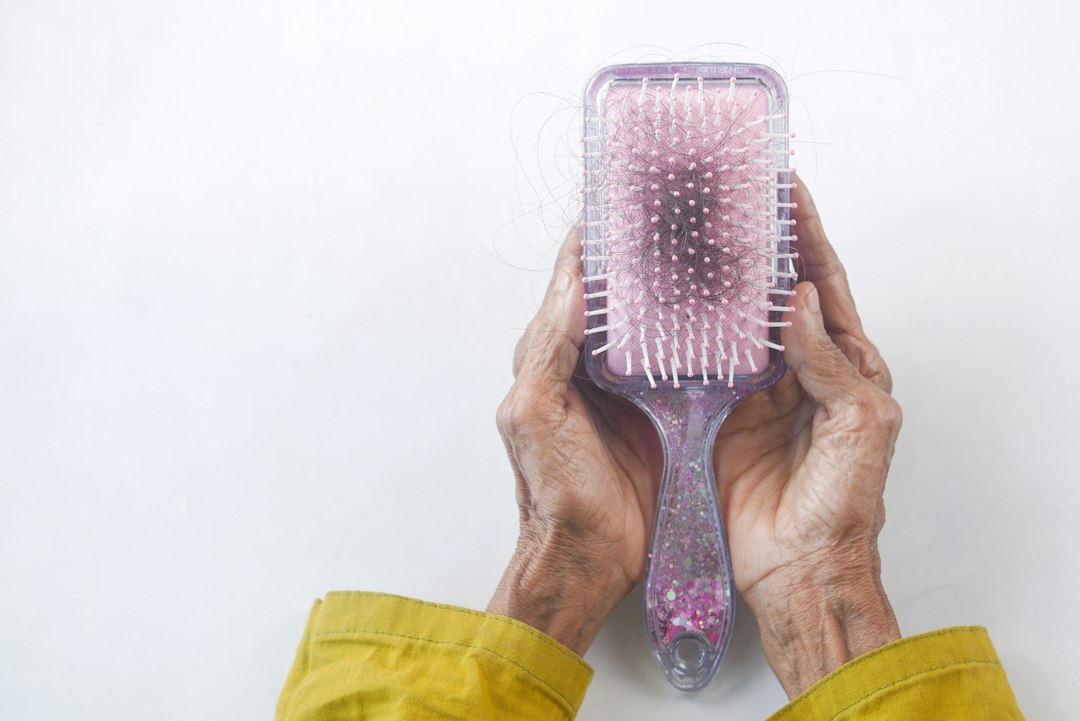
- Detangle while hair is damp and conditioned, using a wide-tooth comb or detangling brush. Start at ends and work upward in small sections to avoid yanking.
- Blot hair with a microfiber towel or cotton T-shirt; never rub vigorously. For fragile ends, let hair air-dry to 80% before any heat styling.
4. Protect from heat and friction
- Apply a light heat protectant before any thermal tool. Use lower heat settings and move the tool continuously—short passes on medium heat do less harm than prolonged high heat.
- Sleep on satin or silk pillowcases and use satin scrunchies to prevent friction. Consider loose protective styles overnight (loose braid or pineapple for curly hair).
Targeted fixes for common causes of breakage and dryness
Chemical damage and overprocessing
If you have bleach, frequent color, or chemical straightening in your history, prioritize protein-containing treatments and reduce chemical services until hair strengthens. Alternate a protein mask every 4–6 weeks with a moisturizing mask in between. Trim damaged ends every 8–12 weeks to prevent splits from traveling up the shaft.
Mechanical damage from styling and ties
Switch to loose, snag-free hair ties and avoid tight ponytails or styles that pull at the hairline. For daily styling, favor low-tension looks (low buns, loose braids). If your routine requires frequent brushing, use a gentle paddle brush with flexible bristles and avoid metal-toothed combs on wet hair.
Hard water or product buildup
Mineral-heavy water can make hair brittle and dull. Periodically clarify with a chelating or clarifying shampoo—no more than once every 2–4 weeks—to remove buildup, then follow with a nourishing mask. If you have hard water, consider a shower filter for long-term improvement.
Product guidance and one practical recommendation
Look for products that match your porosity and damage level: lightweight humectants (glycerin, hyaluronic acid) for low-porosity hair; richer oils (argan, shea) and occlusives for high-porosity hair. Avoid heavy silicones if you don’t clarify regularly—these can trap dirt and worsen dryness over time.
Recommended product (good for strengthening and moisture):
Why this choice: a strengthening, biotin-enriched rosemary formula supports hair resilience without overly stripping natural oils—use it as your regular shampoo and pair with a weekly deep conditioner for the best balance.
Troubleshooting: what to try if you don’t see improvement
- No change after 6–8 weeks: check whether you’re overusing clarifiers or heat tools; reduce heat and increase deep-conditioning frequency.
- Hair still snaps despite care: introduce a protein treatment cycle (every 4–6 weeks) if hair feels mushy or overly stretchy; stop if hair becomes stiff.
- Scalp feels dry but hair is oily: use a light scalp oil or hydrating scalp treatment once weekly and avoid heavy conditioners at the roots.
Small daily habits that add up
- Use a silk pillowcase and sleep in a loose braid if you move a lot in sleep.
- Trim ends regularly; even a small snip removes split ends that cause more breakage.
- Protect hair from sun and chlorine—use a swim cap or apply a leave-in before swimming and rinse promptly afterward.
- Determine hair porosity with a simple water test.
- Switch to a gentle, hydrating shampoo and condition every wash.
- Deep-condition or use protein masks on a 1–4 week schedule as needed.
- Detangle wet hair with a wide-tooth comb and microfiber towel dry.
- Always apply heat protectant and lower heat settings.
- Sleep on satin and use low-tension hairstyles.
Protect hair by reducing stressors (mechanical, thermal, chemical), keeping moisture balanced to your hair’s porosity, and repairing with targeted masks. Commit to a consistent, gentle routine and you’ll cut breakage and dryness substantially within a few months.
How often should I deep-condition to reduce breakage?
For dry or damaged hair, deep-condition once a week; for normal hair, every 2–4 weeks. Alternate moisture and protein-focused treatments based on how elastic and soft your strands feel.
Can I stop breakage without cutting my hair?
Yes—reducing stressors and strengthening hair can significantly reduce breakage, but trimming split ends speeds visible improvement and prevents damage from worsening.
Is oiling hair before washing helpful?
Pre-shampoo oiling with light oils (argan, jojoba) can protect ends and reduce mechanical damage during washing, especially for high-porosity hair.
Will leave-in conditioners cause buildup?
Light leave-ins designed for your hair type add protection without heavy buildup; clarify monthly if you use multiple styling products frequently.
How do I choose between protein and moisture treatments?
If strands feel gummy and overstretched when wet, they need protein; if they feel dry and brittle, prioritize moisturizing masks and oils.