 Beauty Guides
 Wishlist
Practical starting point: what actually matters when choosing an oil
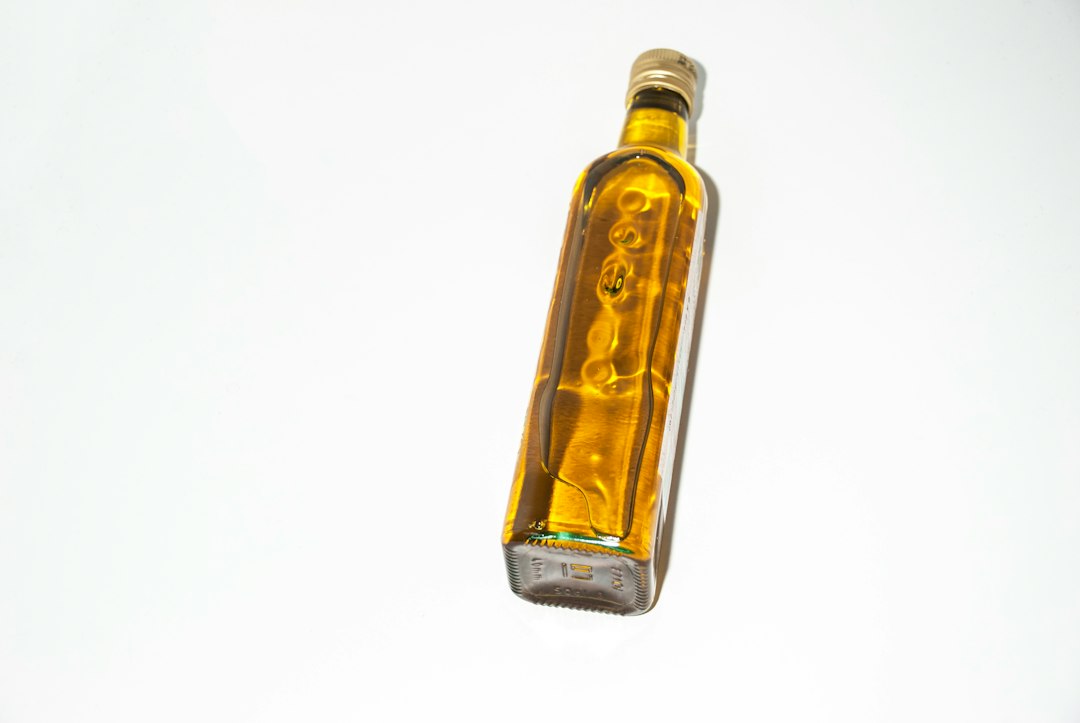
Picking the best hair oil starts with two questions: what are you trying to fix (dry ends, frizz, scalp flakes, thinness) and what is your hair’s baseline weight and porosity (fine vs thick, low vs high porosity). The right oil helps—used poorly, it makes hair greasy or heavy. Keep your goal clear, then match oil traits (weight, absorption, fatty-acid profile) to that goal.
How to decide fast: a simple framework
Use this quick triage: 1) If your scalp gets oily quickly, prioritize lightweight, non-comedogenic oils and use only on lengths/ends. 2) If your hair is dry or chemically treated, use richer oils and consider pre-shampoo or overnight treatments. 3) For thinning or slow growth goals, focus on scalp-friendly oils that support follicle health and circulation.
Which oils work best by hair type
Fine or limp hair — choose lightweight and non-greasy
What helps: oils that absorb quickly and don’t coat the shaft heavily. Jojoba oil, grapeseed oil and lightweight argan formulations are good fits. Use 1–2 drops warmed between palms and focus on mid-lengths and ends only; avoid the scalp unless you shampoo frequently.
Curly, coily or highly textured hair — pick richly moisturizing oils
These textures benefit from oils that seal moisture and reduce frizz: coconut oil, mango butter blends, and heavier argan or avocado oil. Apply sparingly to damp hair after conditioning or as a nightly sealing oil. For especially dry ends, a thicker oil like castor (mixed with a lighter carrier) can help retain moisture.
Dry, damaged or chemically treated hair — choose restorative, nourishing oils
Look for oils high in monounsaturated fatty acids and antioxidants—argan, avocado, and olive oil are strong candidates. Use as a pre-shampoo mask (15–60 minutes) or an overnight treatment if hair tolerates it. Rinse well and follow with a gentle conditioner to avoid residue.
Oily scalp but dry ends — separate your treatments
Apply a light oil (jojoba, grapeseed, or a serum) to the mid-lengths and ends; avoid scalp applications except when treating scalp concerns with a focused, occasional treatment. Dry shampoo and shorter intervals between clarifying shampoos help manage oil without stripping lengths.
Thinning hair or slow growth — prefer scalp-friendly oils with circulation benefits
Castor oil is often used for growth because it’s thick and thought to boost follicle environment; pair it with rosemary oil or a stimulant serum for better spread and a lighter feel. Use a scalp massage routine (2–5 minutes) to improve blood flow, and dilute potent essential oils in a carrier before applying.
What the science and hair pros care about
Oils differ by fatty-acid composition: medium-chain triglycerides (coconut) can penetrate the hair shaft; long-chain fatty acids (olive, castor) sit on the surface and excel at sealing. Porosity matters: high-porosity hair absorbs and benefits from penetrating oils, while low-porosity hair may do better with surface-sealing lighter oils.

How and when to use hair oil (practical routines)
- Pre-shampoo mask: apply a generous amount to dry hair, leave 15–60 minutes (or overnight), then shampoo—best for dry/damaged hair.
- Leave-in/Sealant: on damp hair, use a few drops to seal moisture after conditioner—ideal for curly and textured hair.
- Scalp treatment: massage 2–5 minutes with diluted oil; leave 20–30 minutes before washing. Use once weekly for maintenance, more sparingly for oily scalps.
- Styling/detangling: apply 1–3 drops to ends to smooth and add shine—avoid roots for fine hair.
When to avoid particular oils
Coconut and castor oils are nourishing but can be heavy or cause buildup when overused—avoid them on fine, low-porosity hair or use diluted. Essential oils like rosemary or peppermint should always be mixed into a carrier and used cautiously—patch-test first. If you have scalp dermatitis or severe flaking, check with a clinician before regular oiling.
Product suggestion for common needs
For a straightforward, well-ranked option that suits many users looking for daily smoothing and lightweight hydration, consider a hydrating argan oil serum. It’s versatile for men and women, works on mid-lengths and ends, and can be used sparingly as a leave-in.

For dry, frizzy hair needing richer repair, a moisturizing oil serum specifically formulated for dry hair is a practical alternative—use as a sealant or a weekly mask.
How to test an oil without committing
Patch-test: apply a small amount to a hidden section and wash after 24 hours to check for buildup or irritation. Try a single-use routine for two weeks (same oil, same method). If hair feels heavy or limp, cut frequency or switch to a lighter carrier.
Quick care trade-offs to remember
If you want immediate shine and frizz control, sealing oils (olive, argan) work fast but increase washing needs. If you want long-term strength and reduced breakage, penetrating oils (coconut) plus protein and regular trims give better results than oil alone.
- Identify your main hair goal: frizz, dryness, scalp, or growth.
- Note hair weight (fine vs thick) and porosity (low/high).
- Start with a patch test on ends, then a two-week single-routine trial.
- Choose application method: pre-wash mask, leave-in seal, or scalp massage.
- Watch for buildup—adjust frequency or switch to a lighter oil if hair feels heavy.
Pick an oil by matching its weight and absorption to your hair’s texture and your goal: lightweight oils for fine or oily scalps, richer oils for dry or textured hair, and targeted scalp oils for thinning. Test briefly and adjust frequency rather than changing products constantly.
Can I leave oil in my hair overnight?
Yes for dry, damaged hair—use a moderate amount and protect pillows with a towel; fine hair may get weighed down, so prefer shorter treatments.
Will oiling increase hair growth?
Oiling improves scalp condition and can reduce breakage, which helps perceived growth; evidence for oils directly increasing follicle activity is limited—use scalp massage and scalp-friendly oils for best results.
What if oil makes my hair greasy?
Reduce amount and frequency, apply only to ends, or switch to a lighter oil like jojoba or grapeseed; clarify with a gentle shampoo when needed.
Can I mix oils with other products?
Yes—blend a few drops into conditioners or masks for extra slip, but avoid mixing large amounts with styling products that already contain silicones to prevent buildup.
How often should I oil my scalp?
Once weekly is common for maintenance; increase to twice weekly for dry scalps or less often for oily scalps—monitor response and adjust.