 Beauty Guides
 Wishlist
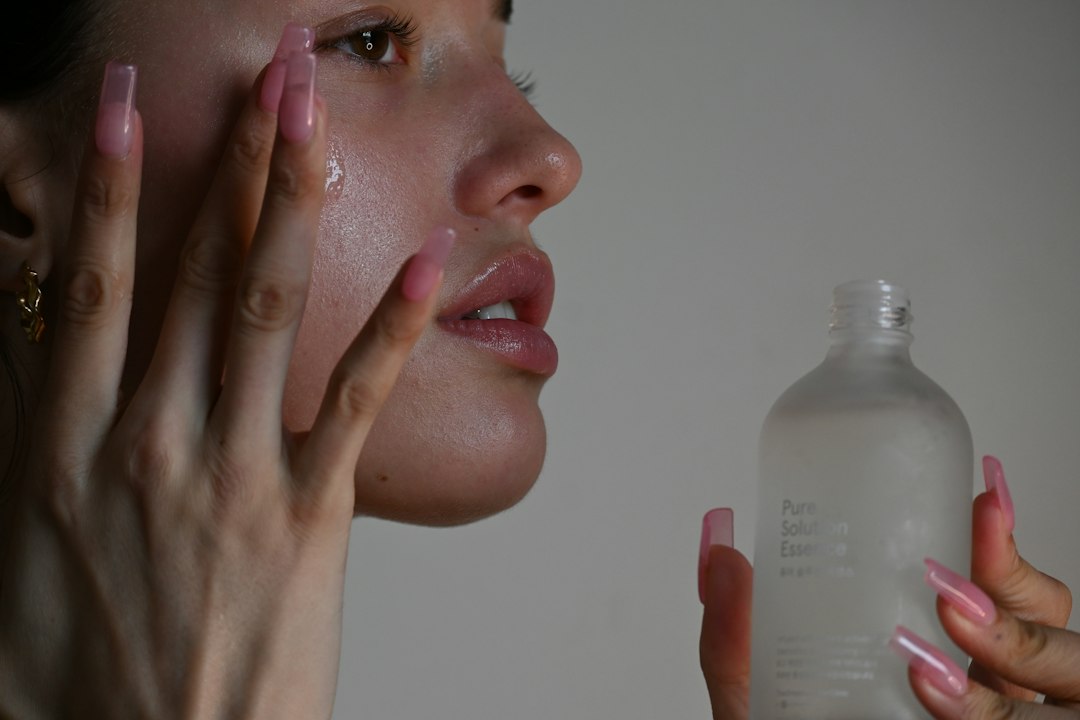
Start here: what really matters — and what you can ignore
Most beginners worry about brand names, trendy claims or whether a serum will "work overnight." The crucial factors are simpler: your skin type, the one or two concerns you want to address, and the active ingredients that target those concerns. You can safely ignore marketing buzzwords and celebrity endorsements. Focus on match, potency and how the serum fits into your existing routine.
Direct answer: how to choose a face serum today
If you want the short, usable path: identify your skin type (dry, oily, combination, sensitive), pick one main concern (hydration, brightening, anti-aging, acne/scarring), and choose a serum whose key active ingredient is proven for that concern. Look at concentration and formulation (water- vs oil-based), patch-test new actives, and introduce it slowly—one new product at a time.
Match ingredients to the problem
Here are the most reliable ingredient-to-concern pairings and when to use them.
- Hydration: Hyaluronic acid (low-irritant, pulls moisture into skin). Use when skin feels tight or you want plumper texture.
- Brightening / hyperpigmentation: Vitamin C (ascorbic acid or stabilized derivatives) or niacinamide. Vitamin C is best for oxidative damage and brightening; niacinamide reduces blotchiness and strengthens the barrier.
- Anti-aging / texture: Retinoids (retinol, retinal) for cell turnover; peptides and growth-factor serums for gentler smoothing without retinoid irritation.
- Acne / oil control: Salicylic acid serums or niacinamide; benzoyl peroxide is usually a treatment rather than a serum.
- Sensitive or reactive skin: Look for low-concentration actives, soothing ingredients (madecassoside, panthenol), and avoid high-percentage acids or fast-acting retinoids until tolerance is built.
Formulation choices: water vs oil, serum textures, and concentration
Serums come as water-based gels, lightweight oils or silicone-tinged liquids. Water-based serums (often with hyaluronic acid, vitamin C) pair well under moisturizers. Oil-based serums are better for barrier repair and dry skin. Check the label for active concentration—very low percentages may be cosmetically pleasant but not effective; very high percentages increase irritation risk.
How to read labels quickly
Scan for the active ingredient near the top of the ingredient list and any concentration percentages. Ingredients are listed by weight: higher up means more of it in the product. Also note delivery systems (liposomal, encapsulated) that can improve stability for actives like vitamin C or retinol. If a product lacks an explicit active or concentration, it's harder to predict efficacy.
Layering and routine placement
Apply serums after cleansing and toning, before thicker treatments like creams and oils. General order: water-based serums first, then oil-based. For multiple actives, prioritize by purpose: morning—antioxidant (vitamin C) then moisturizer and sunscreen; evening—retinoid (if used) or an exfoliating acid on nights you’re not using retinol. Never combine a highly acidic AHA/BHA exfoliant with retinol in the same application; alternate nights.
Patch testing and introducing actives
Patch-test a new serum on the inner forearm or behind the ear for 48 hours. Start with every third night for retinoids or potent acids, and increase frequency gradually as tolerated. Keep a simple calendar for the first two weeks—this avoids confusing irritation with product failure.
Practical choice: one product to try first
If you need one starter serum that addresses common beginner goals—brightening with antioxidant protection—consider a well-formulated vitamin C serum. It works across most skin types (except very photosensitive skin without sunscreen) and provides visible brightening and antioxidant benefits.
Why this pick fits beginners: it provides a clear antioxidant function, pairs well with moisturizer and sunscreen, and can be used daily in the morning for measurable improvements without the step-up logistics required by retinoids.
[h2]When to choose a different approachIf dehydration or tightness is your main issue, go for a hyaluronic acid serum instead of vitamin C. If persistent acne is your primary concern, prioritize a salicylic acid product or a targeted topical acne treatment rather than general antioxidant serums. For nighttime aging care, select a retinoid—but accept a longer adjustment period and stricter sun protection.
Common trade-offs and real-world tips
- Stronger actives often produce faster results but raise irritation risk—balance speed with tolerability.
- Single-ingredient serums are easier to troubleshoot; complex blends can work but make it harder to know what’s helping.
- Price isn't a direct proxy for effectiveness; look for transparent labels and clinically supported actives.
- Storage matters: vitamin C and some retinoids degrade with light and heat—packaging in opaque droppers or tubes helps.
Red flags and what to avoid
- Unclear active concentrations or vague ingredient lists.
- Promises of overnight transformations or “miracle” blends without specifics.
- Products that require combining multiple potent actives at once—simpler is safer for beginners.
- Identify one primary skin concern to target.
- Confirm the serum lists a clear active ingredient near the top.
- Choose a formulation that fits your skin type (water vs oil).
- Plan where it will fit in morning/evening routine and sunscreen use.
- Patch-test and introduce slowly (start every 2–3 nights if potent).
Choose a serum by matching one active ingredient to your top skin concern, check formulation and concentration, and introduce it slowly into your routine with proper sun protection. For beginners, a vitamin C serum is a versatile first step; swap to hyaluronic acid for hydration or retinoids for long-term anti-aging once you’re comfortable.
Can I use more than one serum at a time?
Yes, but keep it simple: layer a water-based serum first, then an oil-based if needed, and avoid combining incompatible actives (e.g., strong acids with retinoids). Introduce one new product at a time.
How long before I see results?
Hydration improvements can appear within days; brightening or texture changes generally take 4–12 weeks depending on the active and consistency of use.
Do serums replace moisturizers?
No—serums deliver concentrated actives but usually lack occlusives; follow with a moisturizer to seal in hydration and protect the skin barrier.
Are serums worth the price?
Effectiveness depends on active type and concentration, not price alone. Look for transparent labeling and clinically supported ingredients rather than high price tags.
Should I use sunscreen with serums?
Always use sunscreen daily when using antioxidant serums or retinoids; many actives increase sun sensitivity or work best when UV damage is minimized.