 Beauty Guides
 Wishlist

Quick answer: Build a four-step routine and match each step to your skin type
If you want an effective, low-effort regimen, follow these steps every morning and night: 1) gentle cleanser, 2) targeted treatment (serum or spot product), 3) moisturizer, and 4) sunscreen in the morning. Choose product textures and active ingredients based on whether your skin is dry, oily, combination, or sensitive. The rest of this article shows exactly how to pick and use each product, and how to troubleshoot common problems.
Decide your skin type in plain terms
Before buying anything, determine your skin type by observation over a few days (no new actives):
- Dry: feels tight after washing, flaky, rough texture.
- Oily: visible shine by midday, enlarged pores, prone to breakouts.
- Combination: oily across the T-zone (forehead, nose, chin) and normal/dry cheeks.
- Sensitive: stings, burns or reddens easily after products; reacts to many formulas.
Also note any concerns you want to address—acne, dullness, hyperpigmentation or fine lines—so you can add one targeted treatment later.
Step 1 — Cleanse: pick the right base
Why it matters: cleansing removes dirt, oil and sunscreen so treatments can work. How to choose:
- Dry skin: cream or oil cleanser that won’t strip natural oils. Look for glycerin, ceramides or light oils.
- Oily skin: gel or foaming cleanser with gentle surfactants; salicylic acid cleansers can help breakouts but don’t overuse.
- Combination skin: a gentle gel or cream depending on which area bothers you more; you can double-cleanse at night (oil first, gentle second) if you wear heavier sunscreen or makeup.
- Sensitive skin: fragrance-free, minimal-ingredient cream cleansers; avoid alcohol and harsh exfoliating beads.
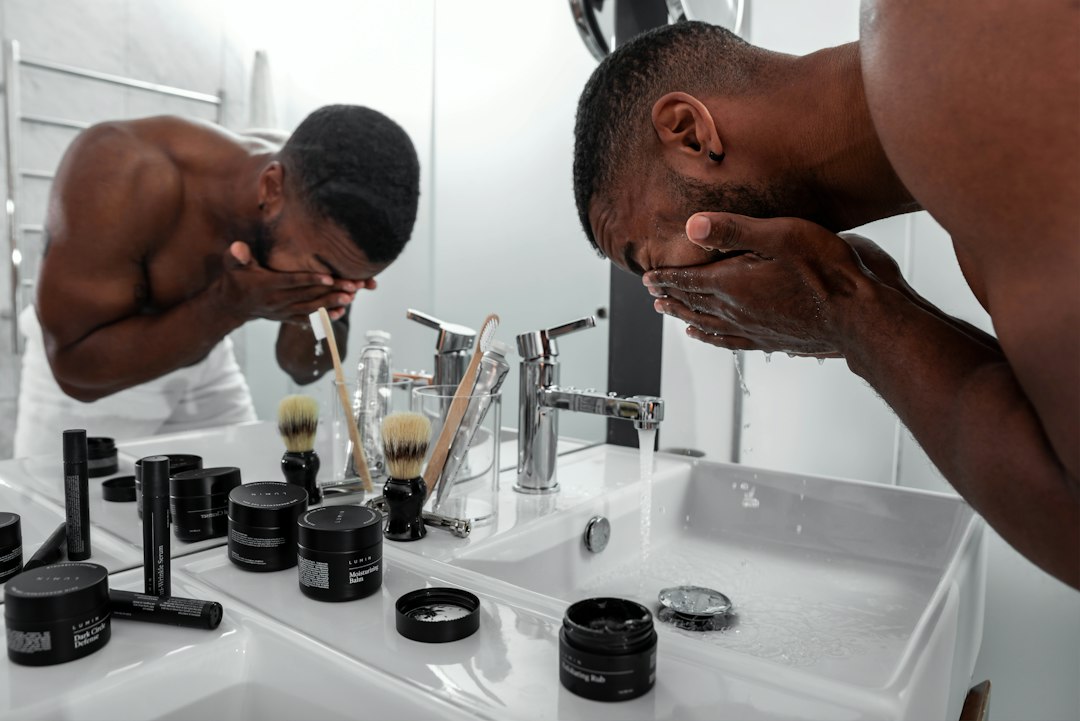
How to use: cleanse twice daily (AM and PM). Massage for 30–60 seconds, then rinse with lukewarm water and pat dry.
Step 2 — Treatment (serum or spot care): one targeted product
Keep treatments focused—choose one active that addresses your top concern and your skin type.
- Dry + dullness: hydrating serum with hyaluronic acid or a gentle vitamin C derivative for glow.
- Oily/acne-prone: lightweight salicylic acid or niacinamide serum to reduce oil and calm pores.
- Combination: use a balancing niacinamide or alternate treatments (hydrating serum on cheeks, light toner/serum on T-zone).
- Sensitive: low-concentration niacinamide or azelaic acid cream can reduce redness with lower irritation risk.
Application order: apply serums to slightly damp skin after cleansing so they absorb better. Use a pea-sized amount for the face; eye area needs a separate, gentler product if required.
Step 3 — Moisturize: match texture to needs
Moisturizer prevents water loss and repairs the barrier. Texture is more important than brand.
- Dry: rich creams with ceramides, fatty acids, or squalane. Occlusives like petrolatum can be used at night for extra sealing.
- Oily: oil-free, gel or lotion formulas labeled “non-comedogenic”; humectants like glycerin or hyaluronic acid are useful without heaviness.
- Combination: light cream on cheeks, gel or lotion on the T-zone, or a single lightweight moisturizer if you prefer simplicity.
- Sensitive: fragrance-free, barrier-supporting ingredients (ceramides, cholesterol) and minimal actives.
How much: a nickel- to quarter-sized amount for the whole face, adjust based on climate and season.
Step 4 — Protect: sunscreen every morning
Sunscreen is non-negotiable. Use broad-spectrum SPF 30 or higher every morning, even on cloudy days. For oily skin, choose a mattifying or gel sunscreen; dry skin benefits from hydrating sunscreens with glycerin or hyaluronic acid. Reapply every two hours if you’re outdoors.
How often to introduce active ingredients
Start one new active at a time and use it 2–3 times a week for the first two weeks, then increase frequency if no irritation appears. Common pairings to avoid at first: high-strength vitamin C with retinoids, or multiple exfoliating acids used together—these combinations raise irritation risk, especially for sensitive skin.
Troubleshooting: common problems and fixes
- New irritation after adding a product: stop the new product for a week; resume at lower frequency or try a gentler formula.
- Greasy feel or more breakouts: you may be using too heavy a moisturizer—switch to a lightweight, non-comedogenic option and reduce occlusives.
- Skin still tight after moisturizer: layer a humectant serum (hyaluronic acid) under your cream, and consider a richer night cream.
- Products don’t absorb: apply serums to damp skin, and use lighter textures in humid weather and richer ones in dry winter months.
A recommended product to get started
If you want one focused product that helps men looking for an anti-aging, evening routine compatible with most skin types, consider a targeted night serum that hydrates and supports barrier recovery. For example:
Quick routine examples you can copy
Three simple templates (AM / PM):
- Dry: cream cleanser / hydrating serum / rich moisturizer / SPF 30+ — night: occlusive on top if needed.
- Oily/acne-prone: gel cleanser / niacinamide or salicylic serum / lightweight gel moisturizer / SPF 30+.
- Sensitive/combination: gentle cream cleanser / low-dose azelaic acid or niacinamide / fragrance-free moisturizer / SPF 30+.
When to see a professional
Consult a dermatologist if you have persistent severe acne, widespread irritation that won’t calm after stopping new products, sudden rashes, or if you’re considering prescription-strength retinoids or acids.
- Identify your skin type and primary concern.
- Choose a gentle cleanser matched to oiliness/tolerance.
- Pick one targeted treatment (serum) to address your top concern.
- Select a moisturizer by texture, not marketing claims.
- Apply broad-spectrum SPF 30+ each morning.
- Introduce new actives one at a time, slowly.
A simple skincare routine is four consistent steps: cleanse, treat, moisturize and protect, with product textures and one active chosen for your skin type. Keep changes gradual and track results over 4–8 weeks.
How long before I see results?
For hydration and texture improvements, 2–4 weeks; for acne or pigmentation with actives, expect 6–12 weeks. Be consistent and patient.
Can I skip moisturizer if my skin is oily?
No—oily skin still needs moisture. Use a lightweight, non-comedogenic gel or lotion to balance oil production without clogging pores.
Is sunscreen necessary indoors?
Yes—windows and ambient UV can cause cumulative damage. Apply daily, especially if you use brightening or anti-aging actives.
Can I use vitamin C and retinol together?
They can be effective but increase irritation risk; either use vitamin C in the morning and retinol at night, or alternate nights to reduce sensitivity.
What if I have both acne and dry patches?
Use a spot treatment for acne (salicylic acid) and a richer moisturizer on dry patches; avoid over-exfoliation and prioritize a gentle daily cleanser.